War can destroy a city in ways that are immediately visible, from collapsed roofs to blocked streets and shattered landmarks. But the article’s central idea is that physical damage is only part of the story. When conflict wipes out buildings and neighborhoods, it can also erase the practical knowledge needed to repair them.
That loss includes more than plans and records. It can involve local building methods, traditional craft, technical expertise, and the everyday understanding of how a place was designed, maintained, and lived in. In that sense, rebuilding after conflict is not only an engineering task but also a cultural and intellectual one.
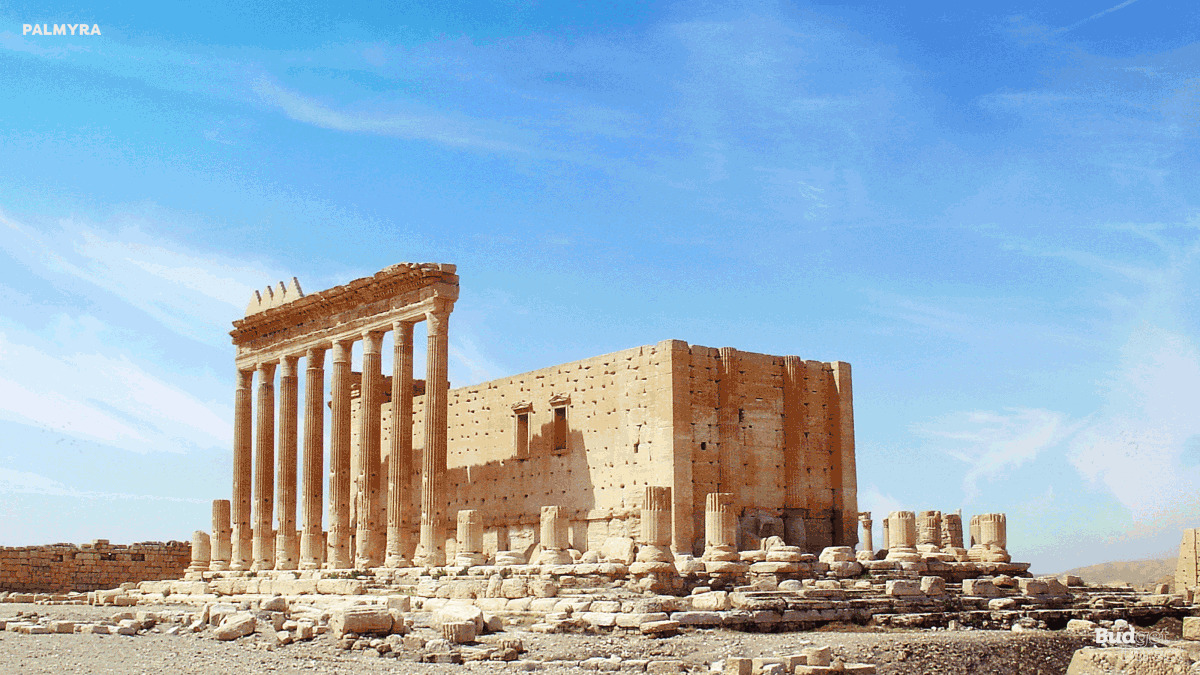
The reference to Palmyra in Syria highlights how this issue extends to heritage as well as housing and infrastructure. Historic places can be photographed, scanned, and surveyed, but reconstruction still depends on people who know how materials were used, how structures were assembled, and what gave a site its meaning within the city.
The broader argument is that successful post-war recovery begins by restoring knowledge alongside walls, roads, and public spaces. Without preserving expertise, memory, and craft, reconstruction risks becoming incomplete, even if the skyline eventually returns.

![Day 1,623 of WW3. Today's MadLib: UAF uses sea drones to carry FPV drones to attack Crimean radars. Orcs destroy 300 year old Cossack church in Kherson, and another Widlberries warehouse has a sale on cotton. This is your Tuesday Ukraine war thread [News]](https://usrimg-full.fark.net/S/Sc/fark_ScK2-Rj1YUbqjDR8apivwZuDaxc.png?AWSAccessKeyId=JO3ELGV4BGLFW7Y3EZXN&Expires=1786334400&Signature=E%2BnUtSPWmcfIKWli9V%2FJVvIa6tw%3D)