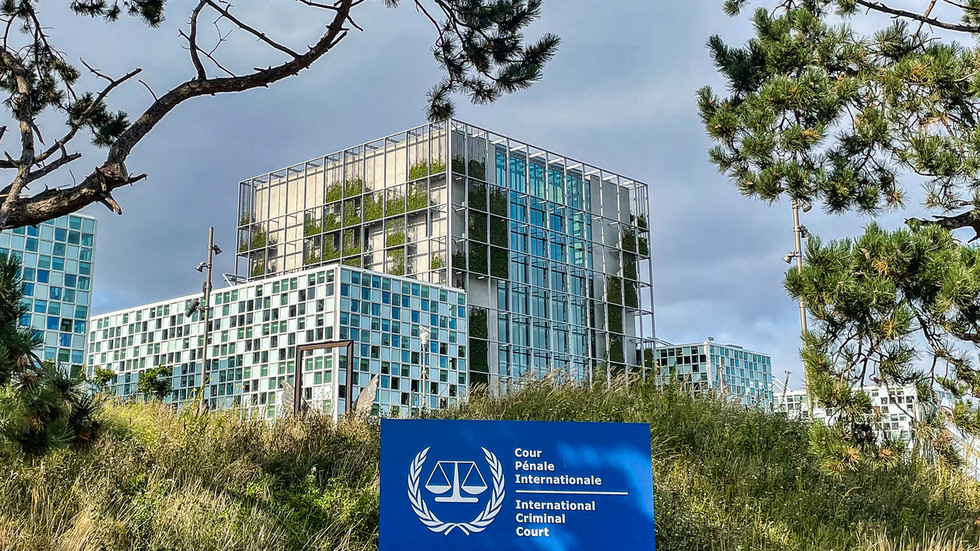
A commentary highlighted by Global Research argues that the turmoil surrounding ICC chief prosecutor Karim Khan could have wider consequences for future war-crimes investigations, especially in cases tied to Israel. The article presents Khan’s downfall as part of a broader pattern in which senior international legal figures face intense backlash when they move toward politically sensitive prosecutions.
According to the summary, the argument extends beyond Khan alone. It points to former ICC prosecutor Fatou Bensouda as another example of an official who encountered pressure while handling contentious cases. In that framing, any successor at the International Criminal Court would likely weigh the professional and political risks of pursuing similar matters.
The piece also brings in Julian Assange as a template case, suggesting that high-profile legal battles can shape how future prosecutors assess the costs of challenging powerful states or entrenched interests. Rather than focusing only on one officeholder, the article describes a climate in which legal accountability and geopolitical pressure collide.
At its core, the commentary says the debate is not just about one prosecutor’s fate, but about what message it sends to the next person in the role. If the perceived backlash is strong enough, the article suggests, it could influence how aggressively future ICC leadership approaches allegations of war crimes and other major international offenses.