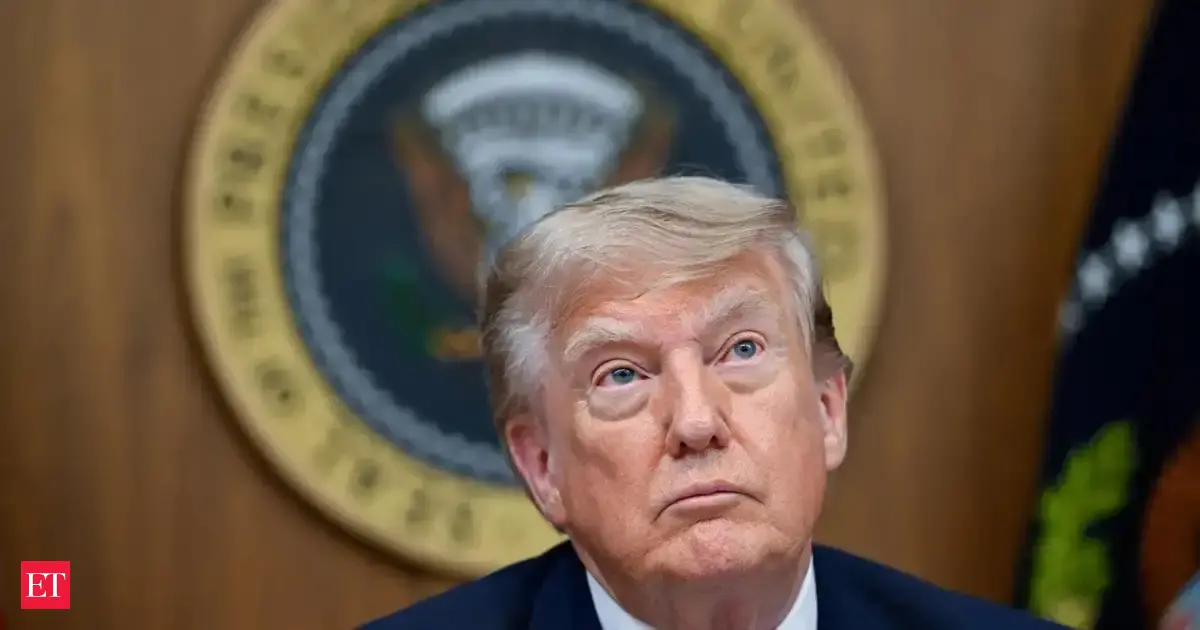
Economist Michael Hudson, in a discussion highlighted alongside Radhika Desai, argues that the 2026 midterms may be more competitive than many Democratic supporters expect. The central point is that widespread dislike of Donald Trump does not automatically translate into a strong Democratic performance at the ballot box.
The analysis challenges the assumption that opposition to Trump is enough to deliver an easy midterm result for Democrats. While Trump remains a polarizing figure, the conversation suggests that voter frustration can take different forms and may not always benefit the Democratic Party.
A major reason offered is the Democrats’ long-running estrangement from working people. The discussion points to a broader sense that the party has failed workers over time, creating skepticism among voters who might otherwise be expected to back Democrats in a contest framed around stopping Trump.
That leaves the 2026 midterms as a less predictable political test. Rather than a straightforward referendum that automatically favors Democrats, the race could hinge on whether either party can address economic dissatisfaction and rebuild trust with voters who feel overlooked.