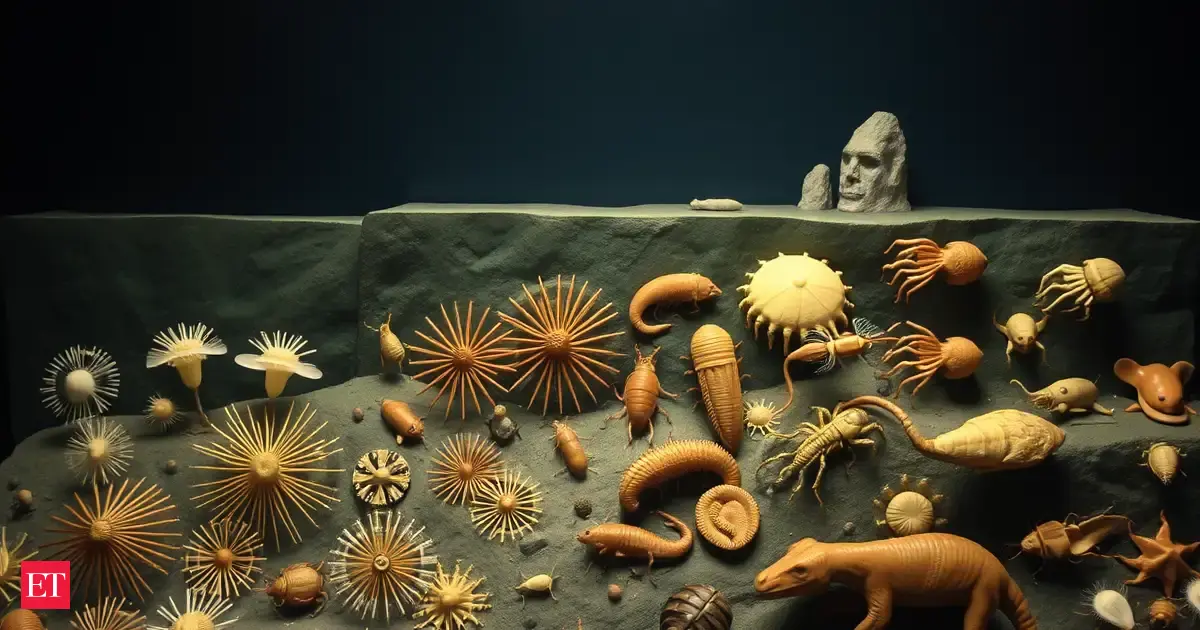
A 2026 study is drawing attention because fossils found in China may help explain how the basic body plan shared by most animals, including humans, appeared about 539 million years ago. The research focuses on bilateral symmetry, the left-right pattern that also comes with distinct front and rear ends in many animal groups.
Scientists had previously seen signs of this kind of life in ancient fossil tracks, but not the actual creatures that made them. That made it difficult to pinpoint when this major evolutionary step truly emerged. The newly described fossils appear to offer a more direct look at animals from that early period.
The finding is significant because it challenges long-held ideas about the timing of this transition. Rather than being only an indirect clue from movement marks in sediment, the fossils from China may show the organisms themselves during the shift from very simple life forms to more complex animals that later became widespread on Earth.
Although the study is not about humans in the modern sense, it speaks to the deep evolutionary roots of features humans still share with much of the animal kingdom. Researchers see the fossils as an important piece of the puzzle in understanding when complex animal body structures first appeared and how that change shaped later life on the planet.