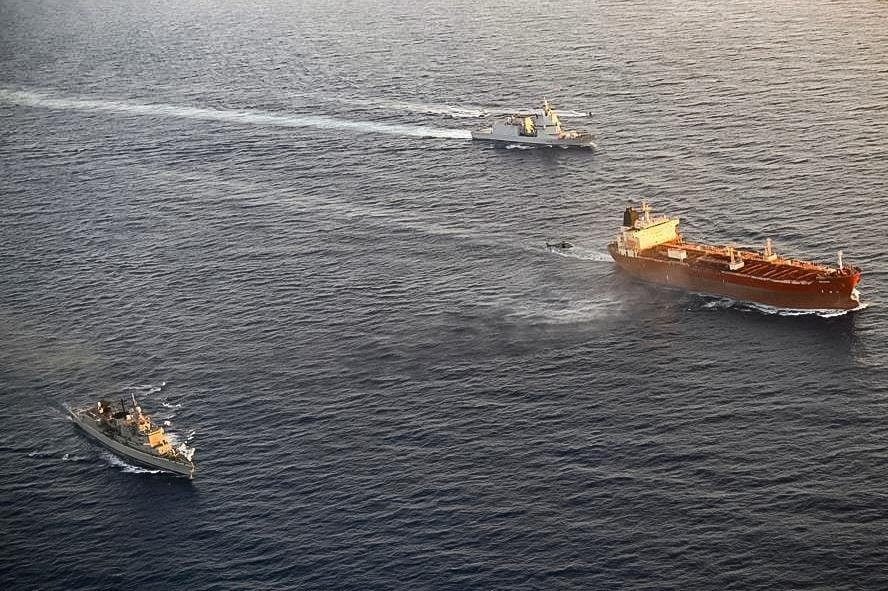
The United States has strengthened its naval blockade around Iran’s southern ports as the military confrontation between Washington and Tehran intensifies. The move restores a major pressure tactic first used earlier in the current crisis and is likely to affect both maritime trade and the wider regional economy.
Inside Iran, the immediate expectation is growing strain on daily life. If port activity is disrupted, imports and exports can slow, raising the risk of shortages, delivery delays and higher costs. That would place additional pressure on the Iranian public at a time of heightened uncertainty.
The blockade could also ripple far beyond Iran. Markets tend to react quickly to any threat involving key shipping routes and energy supplies, and renewed restrictions on Iranian ports may add volatility to oil and fuel prices. Even limited disruption can increase concern among traders and governments watching the region closely.
Much now depends on how strictly the blockade is enforced and how long it remains in place. If the confrontation deepens, the impact could expand from Iran’s coastal trade to broader shipping patterns and energy sentiment worldwide. For now, the reimposed blockade signals another serious escalation with economic consequences likely to build over time.