The warning at the center of this discussion is stark: the world is heavily armed with both nuclear and conventional weapons, and the scale of possible destruction is unlike anything seen before. In that context, the headline’s question about the United Nations reflects a deeper fear that the main international body created to prevent catastrophe could be weakened or sidelined at the very moment it is most needed.
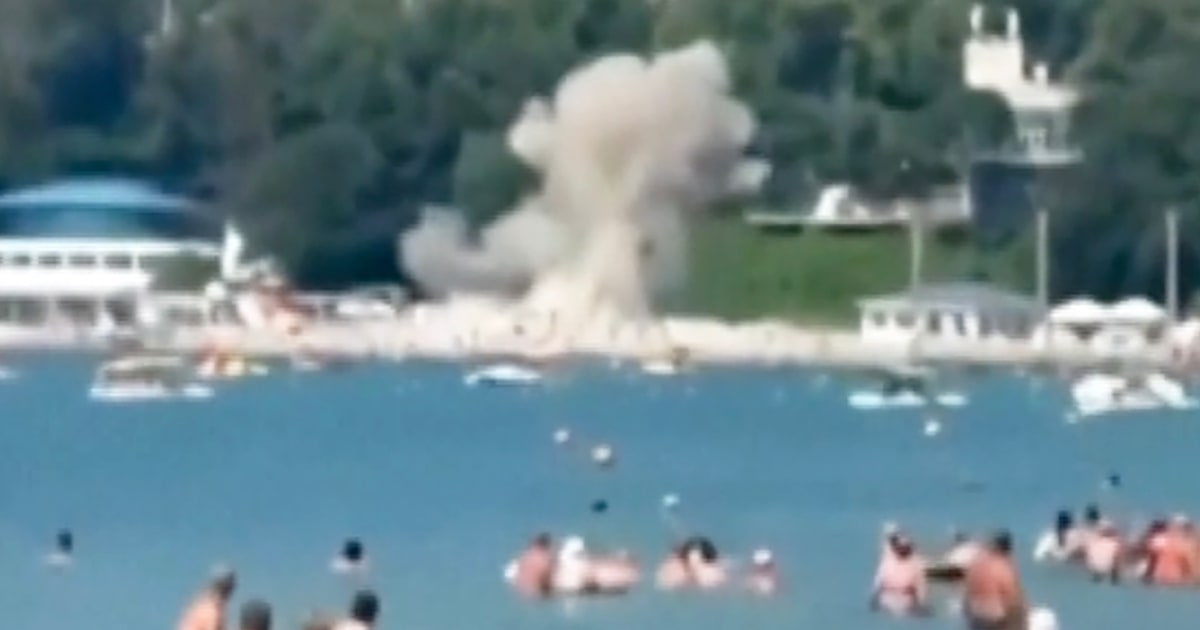
The piece argues that the danger is not abstract. It points to a modern conflict environment in which a nuclear war could unfold with devastating speed, largely ending within an hour. By stressing how much destruction could occur in seconds, the article highlights how little time governments and international institutions would have to react once such a crisis began.
That makes the role of the United Nations central to the broader debate over peace, diplomacy, and disarmament. If global tensions keep rising while international cooperation erodes, the UN’s ability to act as a forum for negotiation and restraint may come under even more pressure. The concern is not just about one institution’s future, but about whether the world is letting its main system for collective security lose influence.
Taken together, the article presents a warning about the collision between unprecedented military power and weakening multilateral safeguards. Its central message is that in an age of extreme destructive capability, pushing the United Nations to the margins could carry consequences far beyond diplomacy alone.

![Day 1,623 of WW3. Today's MadLib: UAF uses sea drones to carry FPV drones to attack Crimean radars. Orcs destroy 300 year old Cossack church in Kherson, and another Widlberries warehouse has a sale on cotton. This is your Tuesday Ukraine war thread [News]](https://usrimg-full.fark.net/S/Sc/fark_ScK2-Rj1YUbqjDR8apivwZuDaxc.png?AWSAccessKeyId=JO3ELGV4BGLFW7Y3EZXN&Expires=1786334400&Signature=E%2BnUtSPWmcfIKWli9V%2FJVvIa6tw%3D)