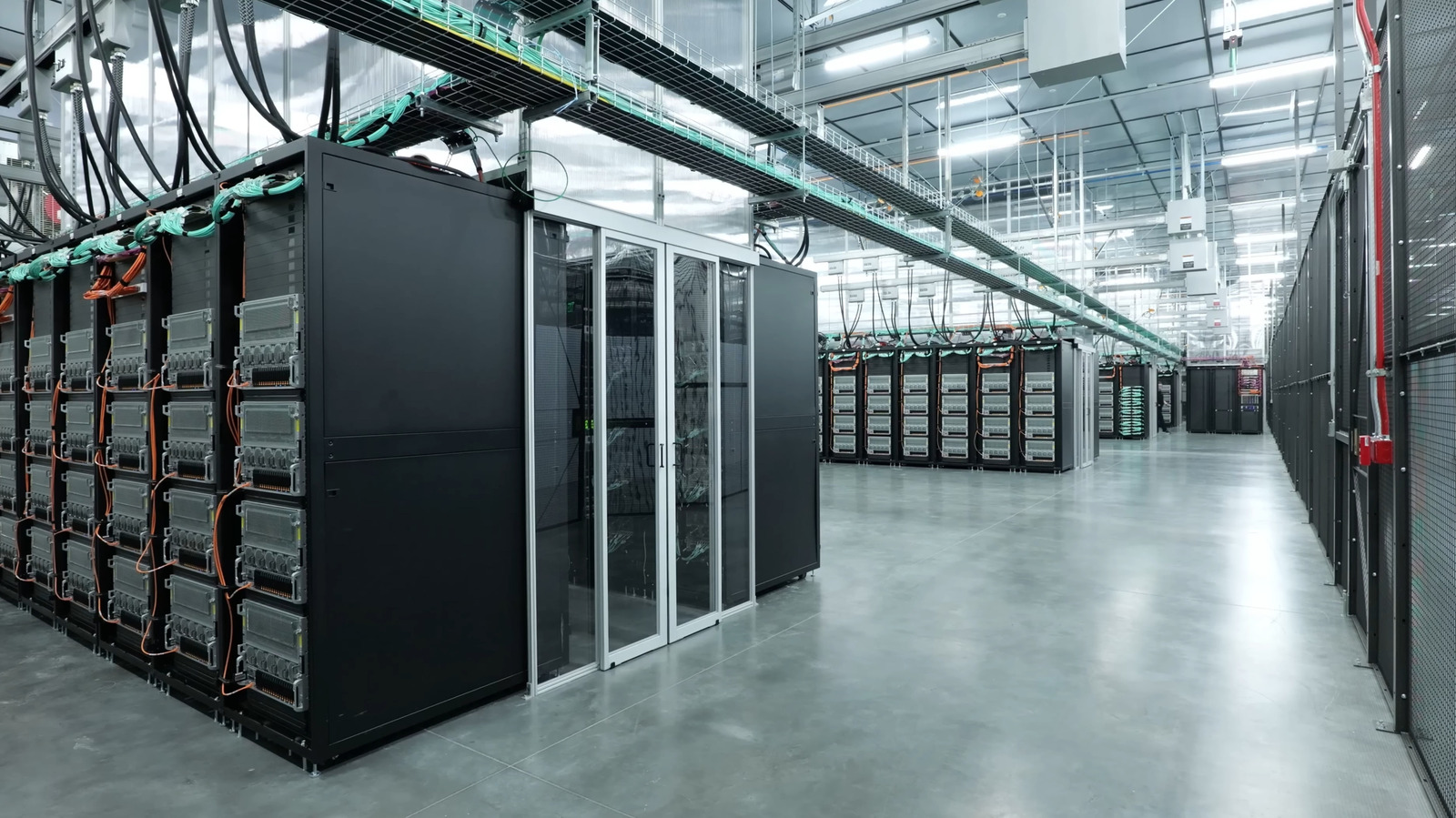
Data centers have become a bigger topic as artificial intelligence expands, but they were already a core part of the digital world long before generative AI drew wider attention. At a basic level, a data center is a facility that houses computing systems used to store, process, and move data for online services and business operations.
Current discussion often divides the industry into two broad groups: traditional data centers and AI data centers. Traditional facilities support many of the everyday digital tools people rely on, helping make internet activity feel fast and seamless behind the scenes. They handle the workloads that keep websites, apps, enterprise systems, and connected services running.
AI data centers are more closely associated with the heavier computing demands tied to modern artificial intelligence. That distinction matters because AI has increased interest in how these facilities are built and operated, especially as concerns grow around electricity use and water consumption. Even so, their main purpose is not simply resource use, but powering the digital infrastructure that modern life depends on.
In that sense, data centers are the physical backbone of computing. Whether they are serving traditional online activity or newer AI workloads, they exist to keep information available, systems responsive, and digital services functioning at scale.