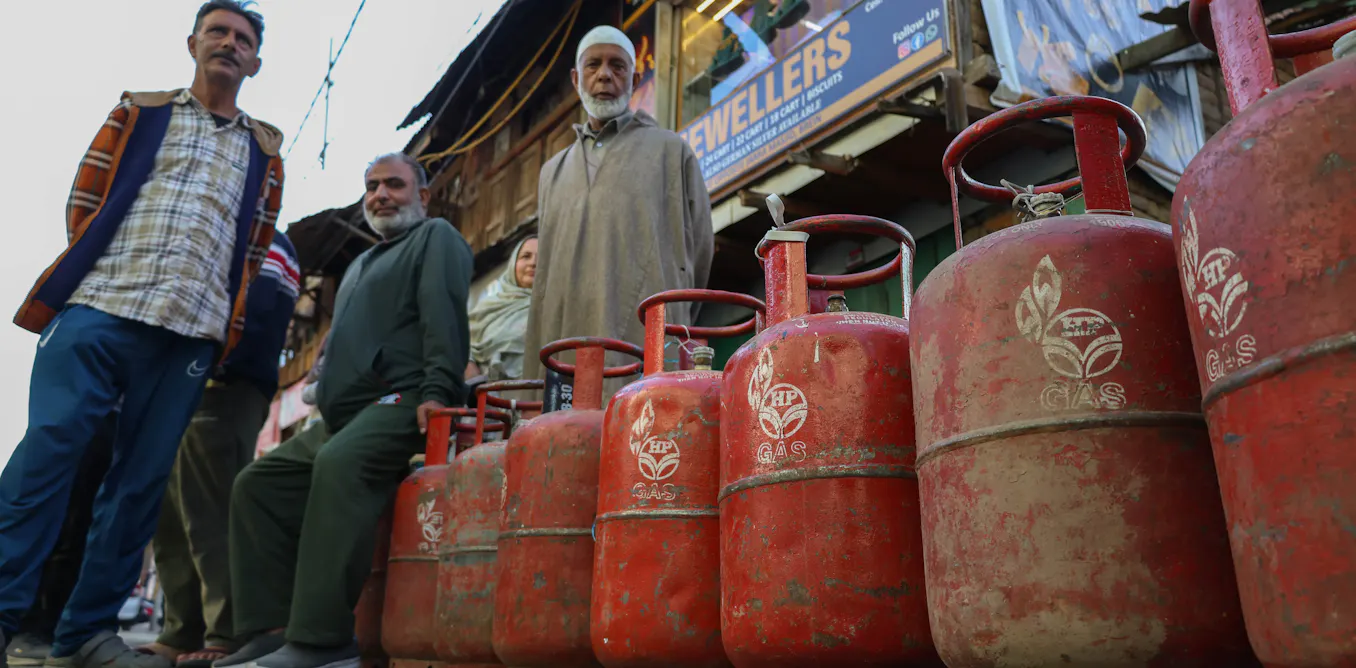
Oil shortages linked to the wars involving Iran and Ukraine are increasingly being felt in everyday fuel markets, especially for diesel and cooking gas. The pressure is not limited to crude oil itself; refined products that households and businesses rely on are already seeing tighter supplies.
The broader problem is that war can disrupt energy systems at several points at once. Production, shipping, refining, trade routes and insurance costs can all be affected, making it harder for oil products to move smoothly from producers to end users. When those disruptions happen in more than one major conflict zone, the strain spreads across the global market.
Diesel is especially important because it supports transport, farming, freight and backup power, so shortages can ripple through many parts of the economy. Cooking gas is also a direct household concern, particularly in places that depend on regular cylinder refills or imported fuel supplies. Images of people waiting with empty gas cylinders underline how quickly supply stress can become a daily hardship.
With two wars feeding uncertainty at the same time, there are few clear signs of quick relief. Even if markets adjust over time, replacement supplies, new shipping patterns and refining capacity cannot be reorganized overnight. That leaves the risk of prolonged shortages and continued pressure on fuel availability in many countries.