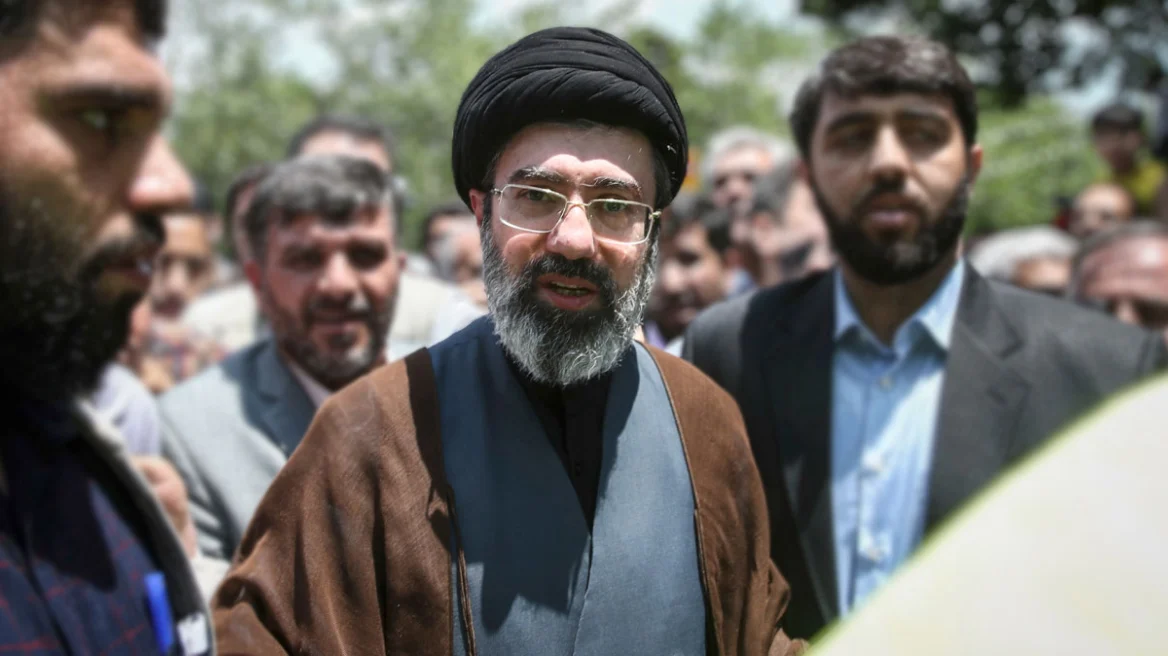
Reports focused on Mojtaba Khamenei are examining three possible outcomes for Iran’s new leadership crisis, with attention on his whereabouts, his actual control over the system and the wider struggle unfolding in Tehran. The coverage describes him as a potentially symbolic or constrained figure, raising questions about whether formal authority and real power are now divided.
According to the report cited in the story, Western security sources believe efforts to locate Mojtaba Khamenei have intensified, with Israel’s intelligence services said to be relying more on traditional intelligence methods. That element of the story reflects the difficulty of tracking a figure who may be heavily protected, hidden or operating through a tight inner circle rather than in a visible public role.
The article also points to the Islamic Revolutionary Guard Corps as a central force in the current balance of power. In that reading, the IRGC may be acting not just as a security arm but as a decisive political pillar during the succession period, shaping how authority is exercised in Tehran regardless of who formally holds the top title.
More broadly, the report frames the situation as part of the fallout from the death of Ali Khamenei, which it says reshaped the political and military landscape in Iran and accelerated a broader Middle East conflict. The main question now is whether Mojtaba Khamenei can emerge as a real leader, remain a figurehead backed by stronger institutions, or be overtaken by rival power centers inside the Iranian state.