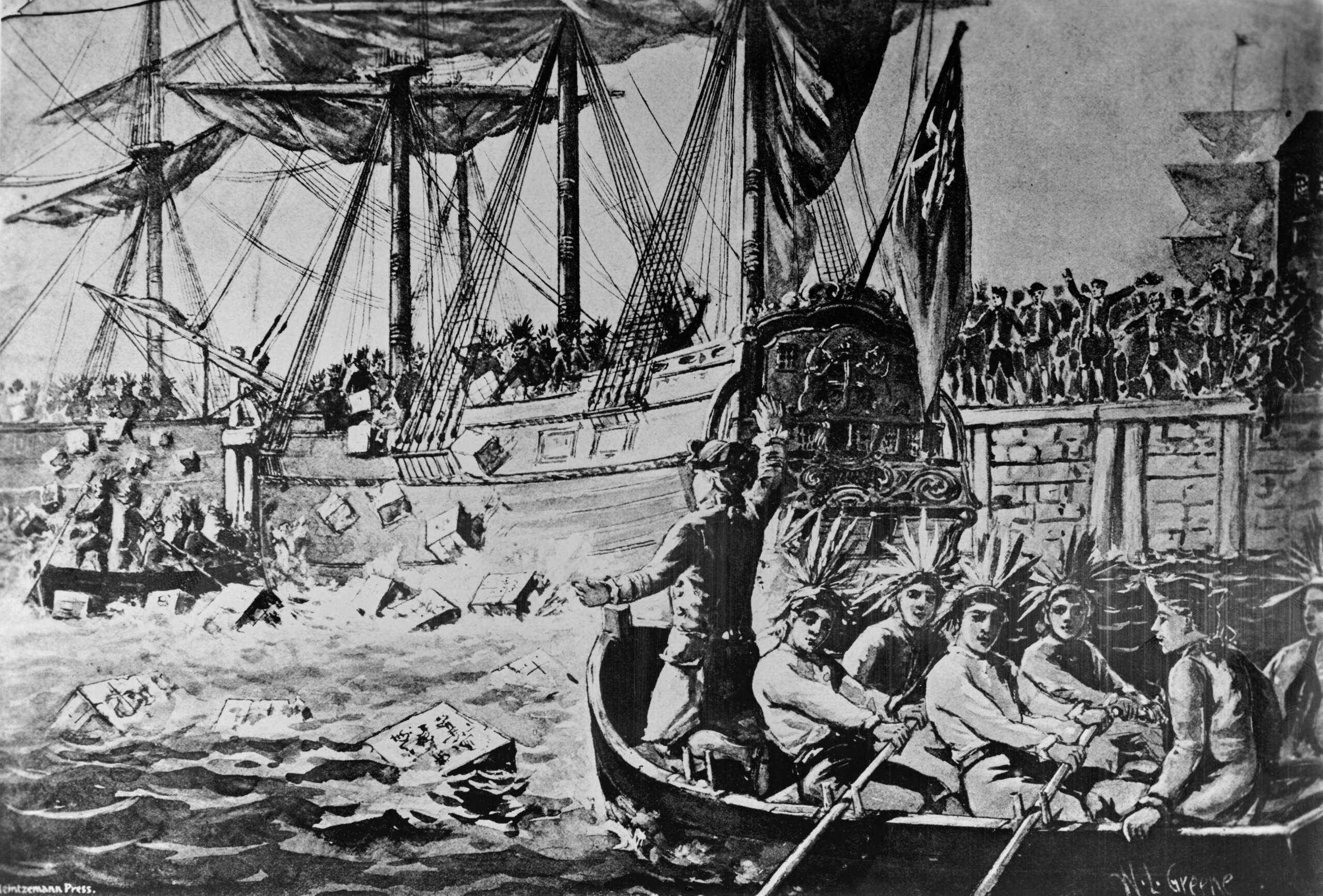
As the United States marks 250 years of history, a new argument is gaining attention: authoritarianism is not simply an outside threat or a break from American tradition. The discussion highlighted in Rebecca Nagle’s podcast "First America" suggests that coercion, exclusion and state power have long been part of the nation’s story, even when the country describes itself as a democracy.
The project centers Indigenous scholars and perspectives that have often been pushed to the margins of mainstream US history. By revisiting the past through those voices, the series challenges familiar patriotic narratives and asks listeners to confront how erasure has shaped public understanding of the country’s founding and development.
Rather than treating authoritarian impulses as something foreign to the American experience, the framing presented here argues they have existed alongside the nation’s ideals for generations. That tension becomes clearer when Native history is placed at the center, revealing how expansion, control and dispossession were woven into the growth of the United States.
The broader takeaway is that debates over democracy in America cannot be separated from the histories that have been omitted or softened over time. "First America" uses Indigenous scholarship to push back against those omissions and to offer a fuller account of how power has operated across 250 years of US history.