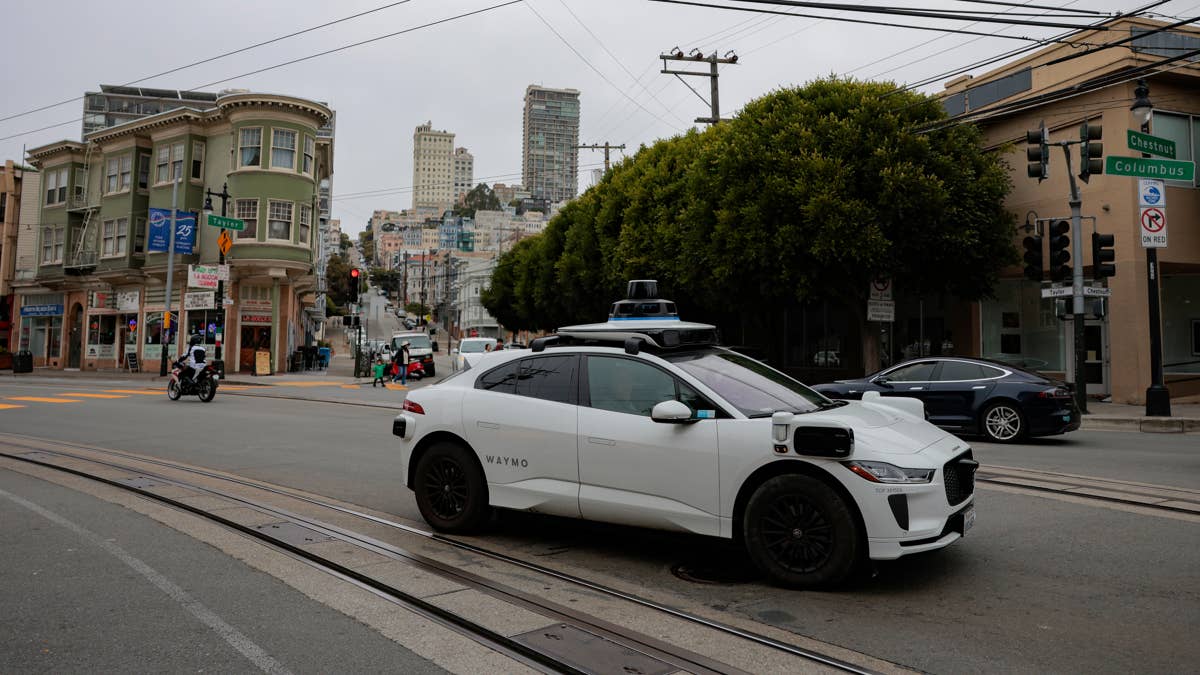
Waymo is facing mounting resistance in a major U.S. city, where local leaders appear to be losing patience with the company's robotaxi operations. The flashpoint is a July 4 shutdown that has prompted the city's mayor to seek action from the state.
The dispute stands out because autonomous vehicle services are often promoted as a way to ease congestion, reduce crashes tied to human error, and improve urban transportation. But the latest backlash shows that local support can weaken quickly when city officials believe service disruptions or operating issues are affecting residents and public streets.
A key part of the conflict is the balance of power between cities and state regulators. In many places, states have significant authority over autonomous vehicle approvals, leaving municipalities with limited control even when the vehicles operate on local roads. That can create tension when mayors and city agencies want a stronger role in setting rules or responding to problems.
The situation highlights a broader challenge for the self-driving industry. Even as autonomous driving technology expands, public acceptance depends not only on innovation but also on how reliably companies operate and how much confidence local governments have in the oversight process.