NASA-led research is raising fresh concern about extreme solar storms, warning that the most powerful events may be stronger than many earlier estimates suggested. According to the study, persistent measurement errors may have distorted past efforts to calculate just how intense major geomagnetic storms can become.
That matters because rare space weather events are not just theoretical. History already offers a famous example in the 1859 Carrington Event, which disrupted telegraph systems and pushed auroras far beyond their usual range. The new warning suggests that using flawed data may have led scientists and planners to underestimate the upper limits of these kinds of storms.
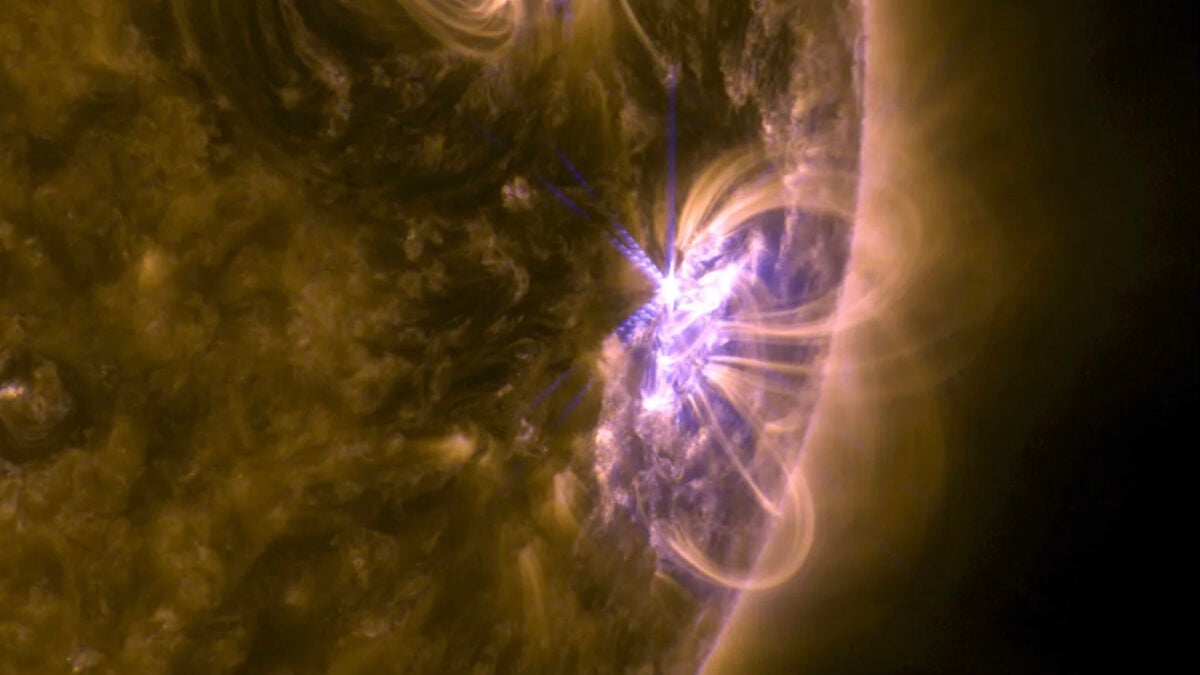
Geomagnetic storms are driven by activity from the Sun and can affect systems on Earth when powerful bursts of solar energy interact with the planet’s magnetic field. If the most extreme events are being undervalued, that could have implications for how researchers model risk and how infrastructure operators think about preparation for major space weather.
The new findings from NASA Goddard add to growing attention on the danger posed by low-frequency, high-impact solar events. Even if so-called one-in-a-thousand-year storms are uncommon, the research suggests they deserve closer scrutiny because their potential power may be greater than previously believed.