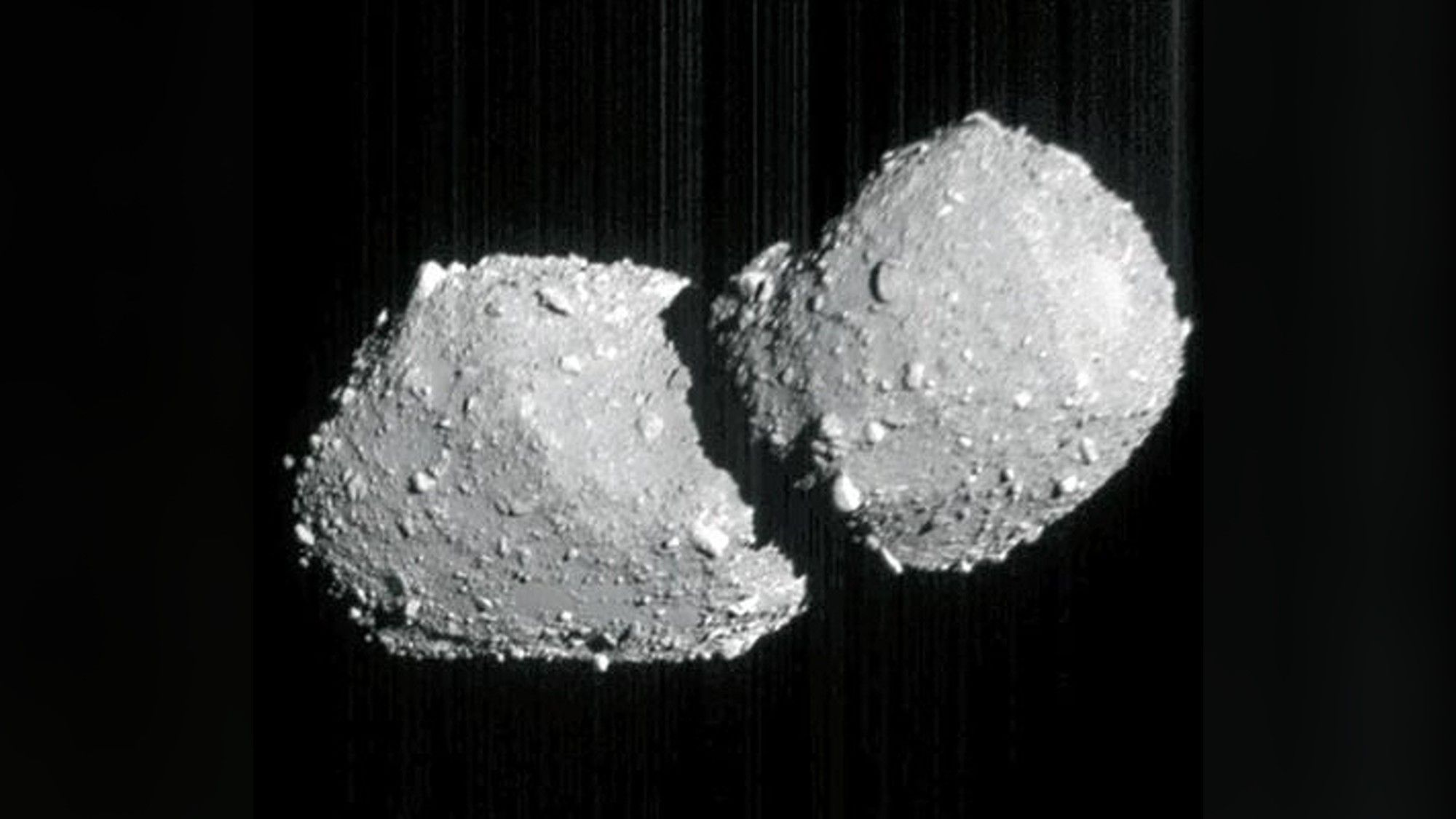
Japan's Hayabusa2 mission carried out an exceptionally close pass by a near-Earth asteroid, coming within just 800 meters after a late-stage proposal pushed the idea forward. The maneuver stood out because some scientists reportedly warned that getting that close was too dangerous.
Despite those concerns, the team went ahead with the flyby, turning the mission into a striking example of how bold decisions can shape space exploration. A pass at that distance leaves very little margin for error, especially around a small body where navigation and timing are critical.
The episode highlights the balance between caution and ambition in asteroid missions. Space agencies and researchers often weigh the scientific value of a closer look against the operational risks of flying near an irregular, hard-to-predict object.
Hayabusa2's super-close approach now draws attention not only for how near it came to the asteroid, but also for the decision-making behind it. The mission underscores how last-minute ideas can become defining moments when teams are willing to accept unusual levels of risk.