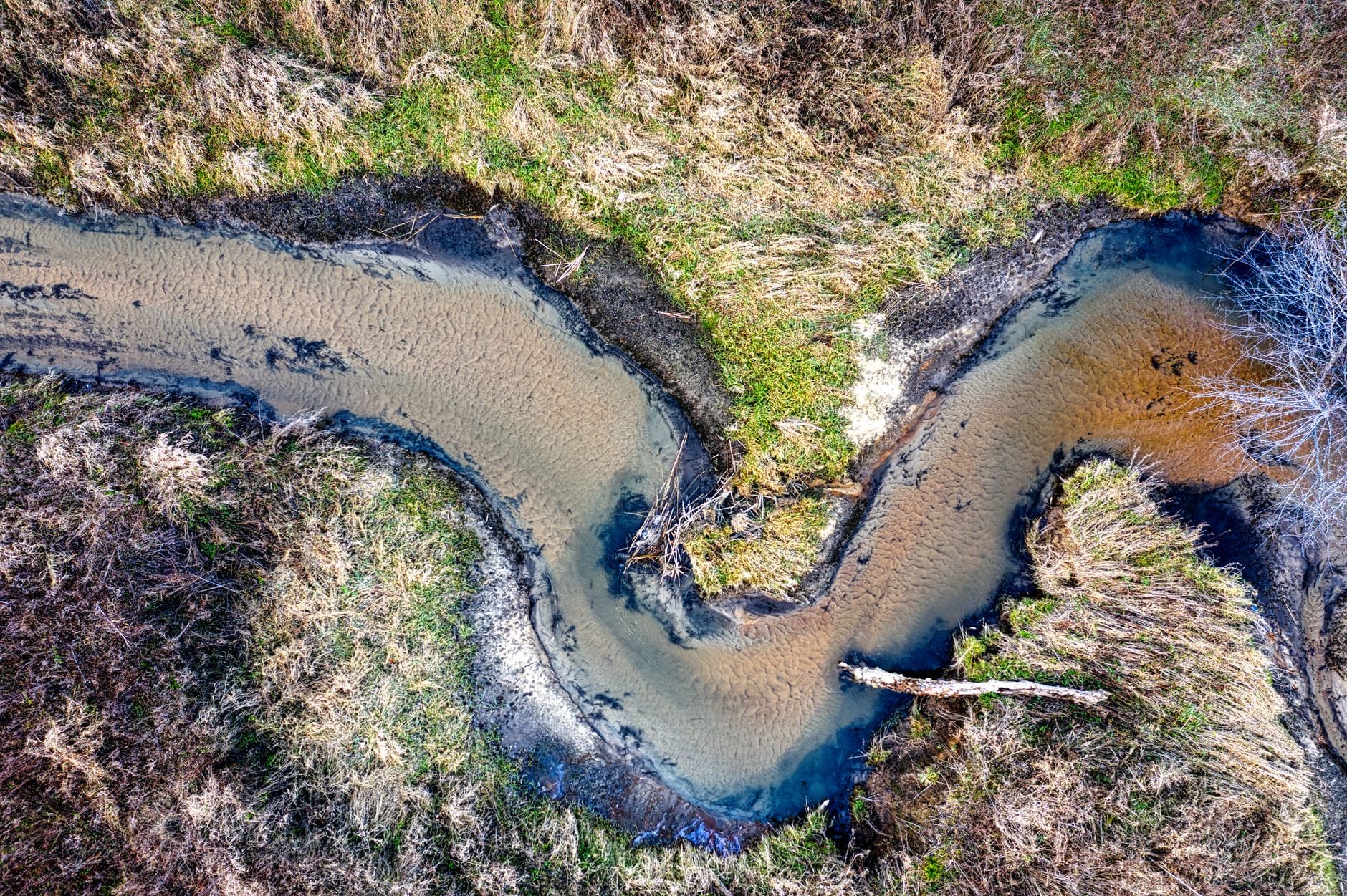
A new Stanford University study is challenging a long-standing idea in geology: that rivers needed plants along their banks to develop sweeping, S-shaped meanders. According to research published in August 2025, those curving river paths were forming well before vegetation appeared on land.
For decades, many geologists taught that roots and plant cover were essential for holding riverbanks together, allowing channels to bend rather than split apart. Under that view, Earth’s early, barren continents were thought to be dominated mainly by braided rivers made up of multiple shifting channels.
The new findings suggest that this picture was too simple. Even without trees, grasses or root systems, ancient rivers appear to have been capable of carving stable curves. That means meandering waterways may have been part of Earth’s surface processes much earlier than many scientists assumed.
The research could reshape how geologists interpret ancient landscapes and the rock record. If meanders did not depend on vegetation, scientists may need to rethink what early river deposits reveal about Earth’s past environments and how river systems evolved over deep time.