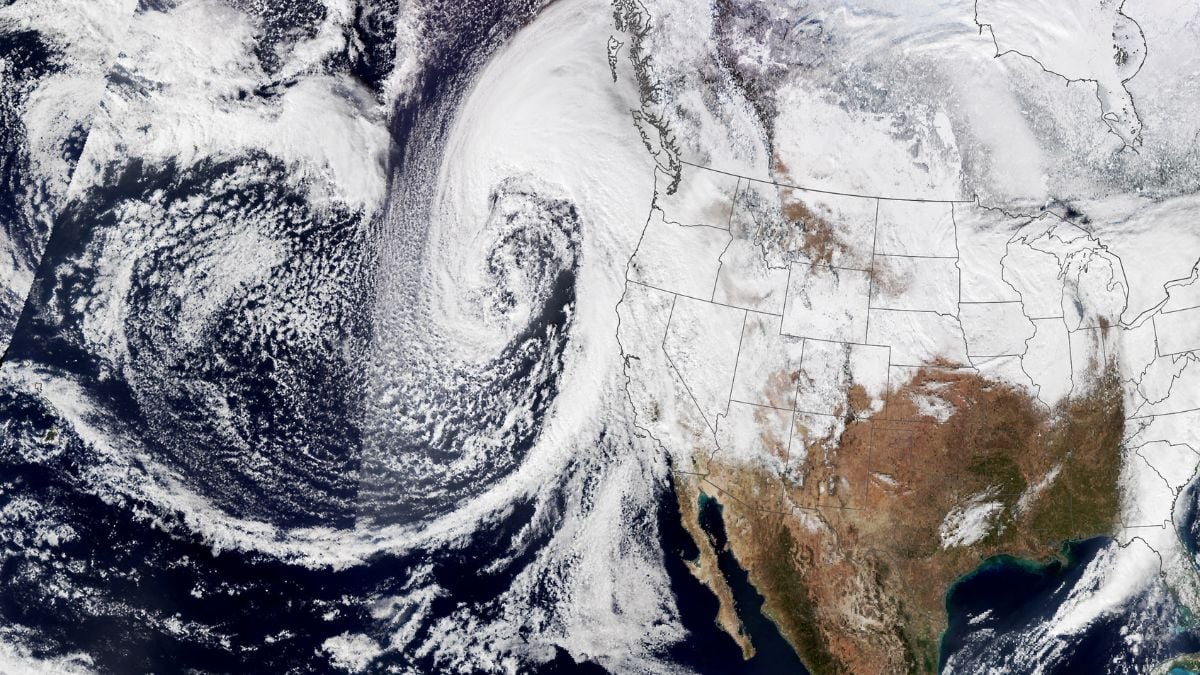
Scientists are warning that a major ocean current could be approaching collapse, a shift that may not stay confined to one part of the planet. The concern, highlighted in new coverage, is that changes in ocean circulation can trigger wider climate disruptions, with some of those effects potentially extending as far as California.
The broader lesson is that Earth's climate does not operate in isolated pieces. Ocean currents, atmospheric patterns and ecosystems are tightly linked, so a breakdown in one system can send ripple effects across long distances. Researchers often use examples like dust from the Sahara reaching the Amazon and the deep ocean to show how far-reaching those connections can be.
If a major current weakens or fails, the consequences could reshape regional weather, ocean conditions and marine environments well beyond the area where the current flows. That is why scientists are watching these systems closely: even a disruption far from the US West Coast could still influence conditions affecting California.
While the exact timing and scale of any fallout remain uncertain, the warning underscores how interconnected the planet's climate systems are. What happens in one ocean basin can help drive changes thousands of miles away, making the health of major currents a global concern rather than a local one.