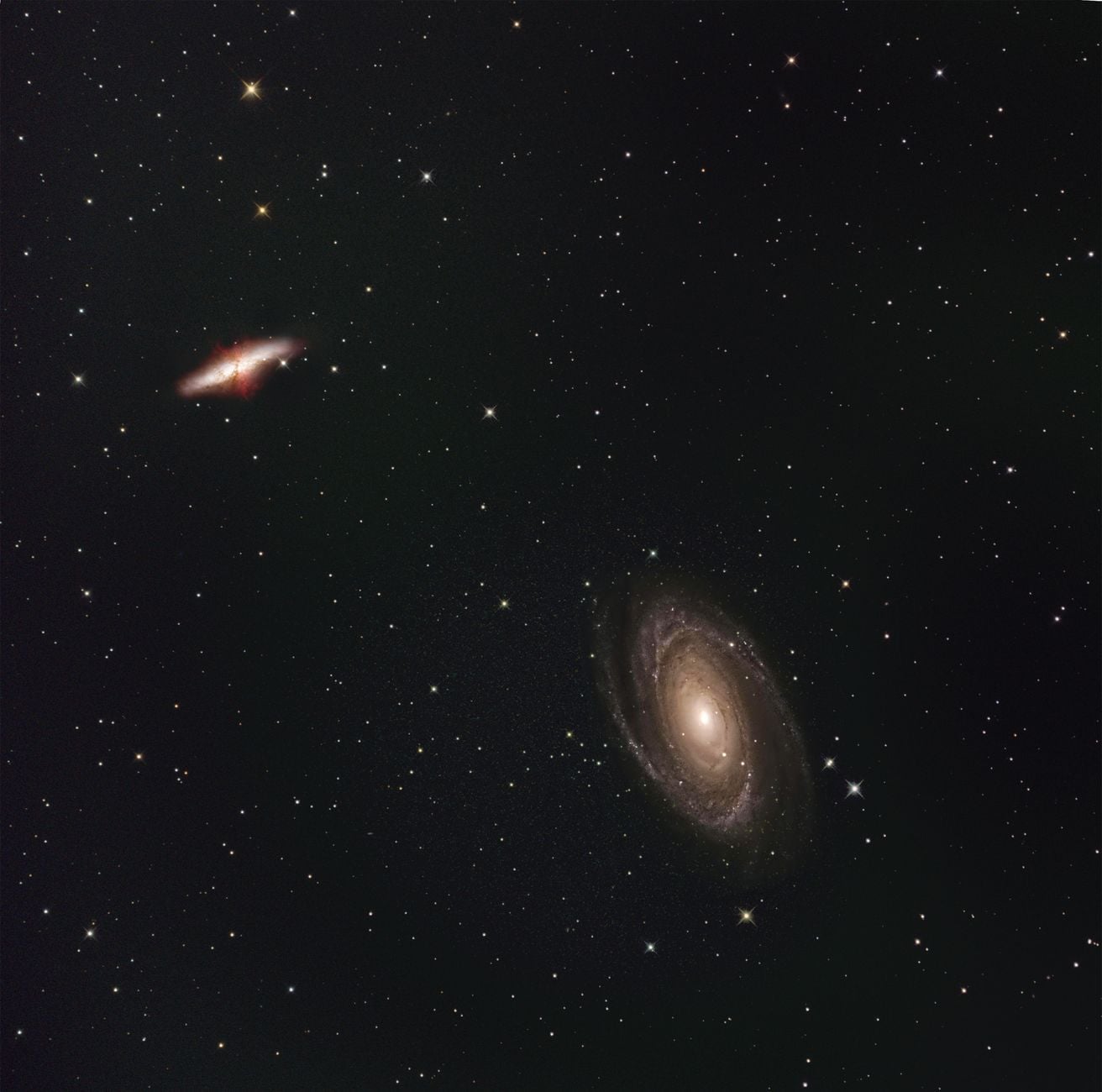
A machine-learning system called AnomalyMatch has rapidly sifted through a vast trove of Hubble data, showing how artificial intelligence can accelerate the search for unusual features in space. Using 99.6 million small image cutouts from the Hubble Legacy Archive, the system completed its scan in roughly two and a half days.
According to the report, the AI flagged about 1,300 cosmic oddities for further attention. More than 800 of those had not appeared in the scientific literature, suggesting that large archival datasets may still contain many overlooked targets for astronomers to examine.
The project highlights a key strength of AI in astronomy: speed. Instead of replacing researchers, systems like AnomalyMatch can help narrow down enormous numbers of images into a smaller set of unusual candidates that humans can inspect in more detail. The article also notes that the software was not making formal discoveries on its own, but identifying anomalies worth follow-up.
The result points to a broader shift in space science, where older telescope archives can be revisited with newer tools. Even without fresh observations, machine learning may help scientists uncover rare structures, unusual objects, or previously ignored patterns hidden in decades of Hubble imagery.