Life aboard the International Space Station runs on a striking visual rhythm. Because the station circles Earth about once every 90 minutes, astronauts see roughly 16 sunrises and 16 sunsets in a single day, with daylight and darkness shifting far more quickly than they do on the ground.
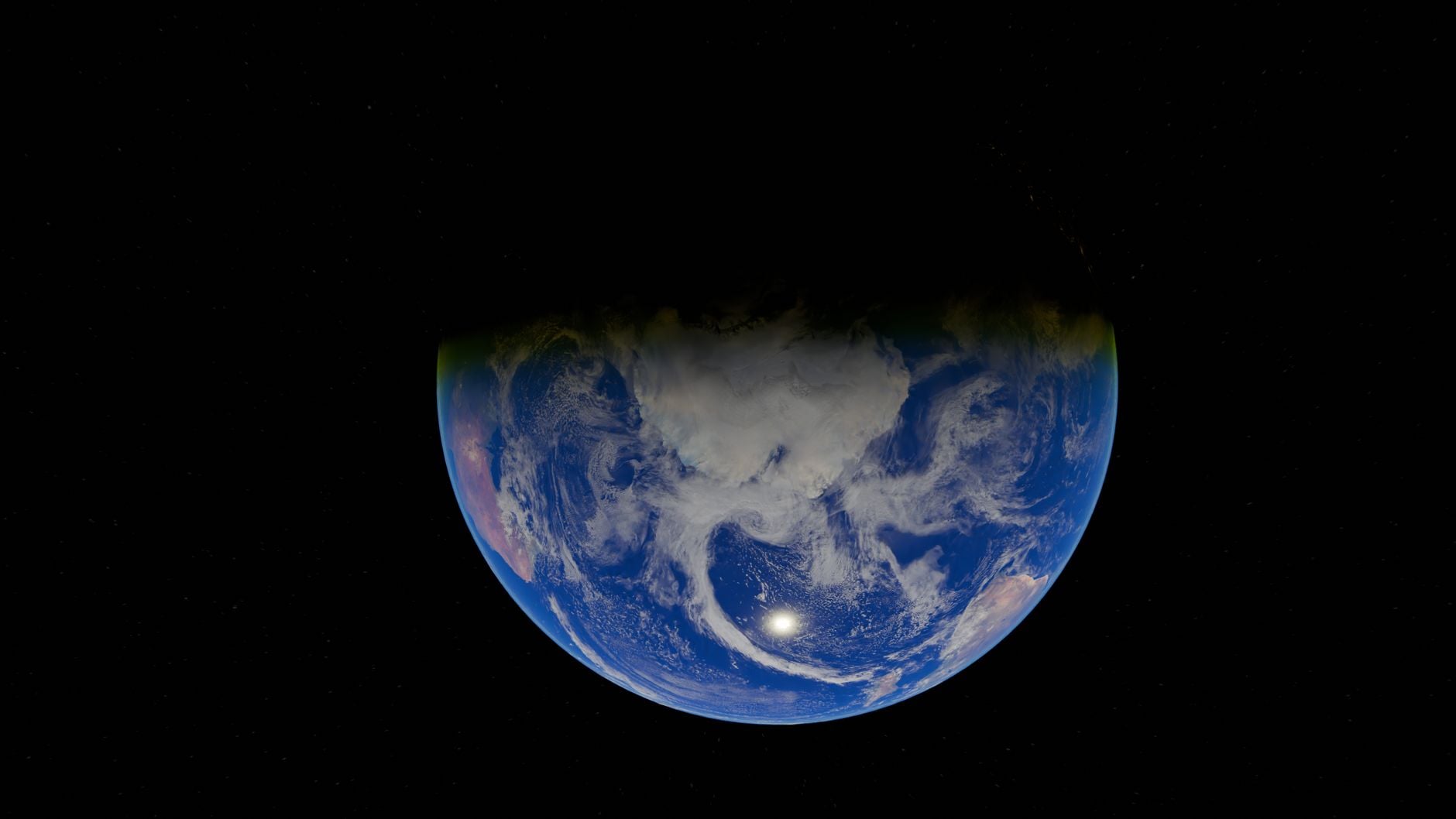
Those rapid transitions give crews a constant view of Earth changing beneath them, but many astronauts say one sight stands out above all others: the atmosphere. From orbit, it appears as a narrow, bright blue band tracing the planet’s edge, so thin that it can look almost delicate enough to erase.
That perspective can be difficult to put into words for people back home. On Earth, the atmosphere feels vast and ever-present, yet from space it looks like a slim protective layer wrapped around the planet. The contrast helps explain why astronauts often describe orbit as a place that changes how they think about Earth itself.
The ISS experience combines the wonder of repeated sunrises and sunsets with a powerful reminder of the planet’s fragility. Seen from above, the beauty of Earth is inseparable from the realization that the thin envelope sustaining life is much narrower than most people ever imagine.