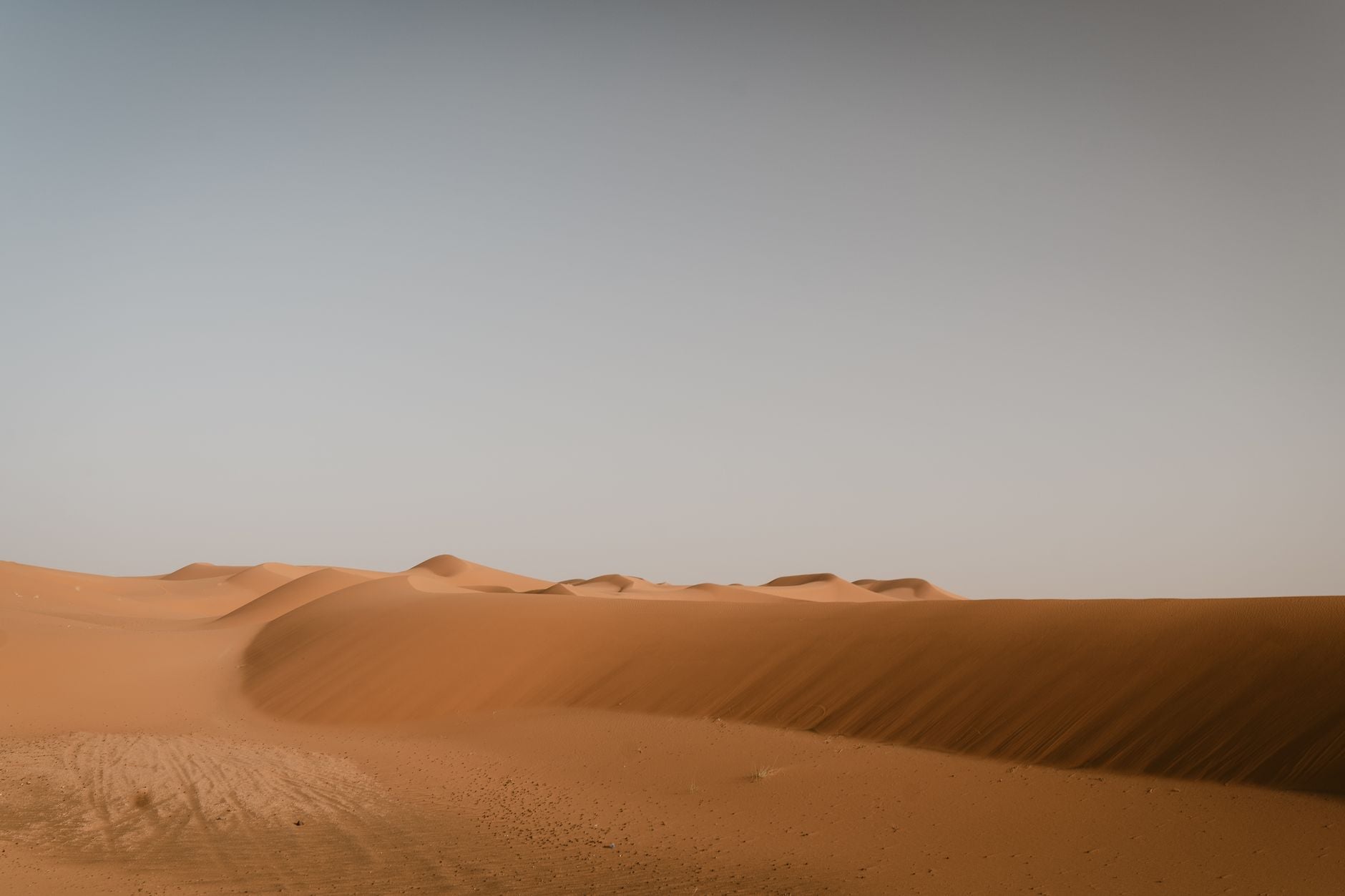
New research highlighted by Space Daily says the Sahara does not remain a desert forever. Instead, the vast North African region appears to shift into greener phases roughly every 20,000 years, transforming from barren sand into a landscape shaped by water and vegetation.
During the most recent humid period, large parts of the Sahara supported grasslands, wooded savanna, wetlands and lakes. Conditions were so different from today that animals such as hippos and crocodiles lived in waters that have long since disappeared beneath one of the driest environments on Earth.
The findings add to evidence that the Sahara has repeatedly swung between harsh arid conditions and much wetter intervals. In its greener state, the region would have looked far less like a natural barrier and more like a connected ecological zone with habitats able to support a wide range of life.
Scientists say this long-term pattern is important for understanding North Africa’s environmental history. It helps explain how dramatic climate shifts can reshape landscapes over time, turning empty desert into a region of lakes, wetlands and thriving ecosystems before dryness returns again.