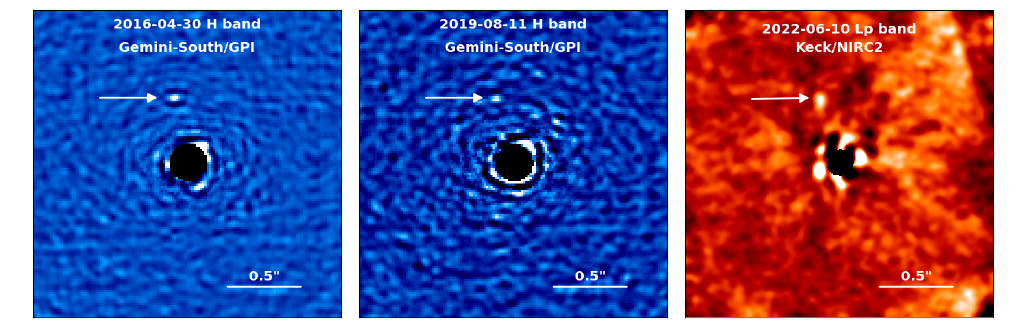
Astronomers have directly photographed a planet orbiting a pair of stars, creating a real-world example of the kind of twin-sun world often imagined in science fiction. What makes the discovery especially notable is not just the image itself, but how close the planet appears to be to both of its host stars.
According to the report, the world circles its binary stars far more tightly than any previously known planet in a similar setup. That places it in a region where many current models suggest such a planet should struggle to form or remain stable, making the finding a significant test for existing ideas about how planetary systems develop.
Direct images of exoplanets are already uncommon, and binary-star systems add another layer of complexity for observers and theorists alike. A planet orbiting two suns must contend with the combined gravity of both stars, which can shape its path and affect where dust and gas could gather during formation.
Because this newly imaged planet sits so much closer to its twin suns than expected, astronomers may need to revisit assumptions about circumbinary planets. The discovery points to the possibility that planetary systems around binary stars are more varied than once believed, and that some worlds can exist in places current theory has had trouble explaining.