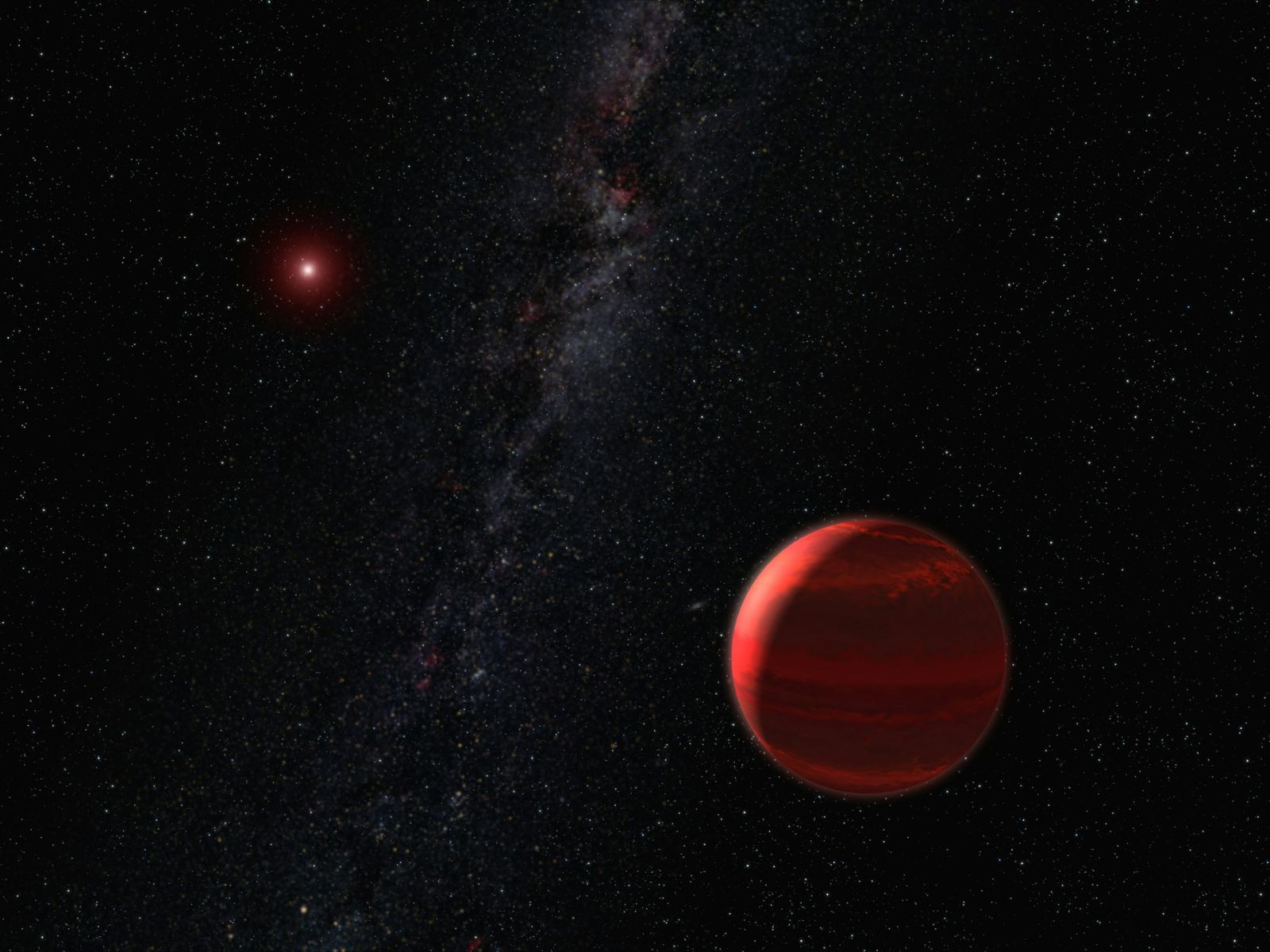
Astronomers have identified a Jupiter-sized exoplanet circling a star similar to the Sun, adding another important find to the growing list of known worlds beyond our solar system. The star is located about 910 light-years from Earth, making the discovery another example of how researchers are mapping planetary systems across the galaxy.
The find highlights the broad range of planets being uncovered as scientists continue to study distant stars. Exoplanet research has recently produced a mix of major results, from signs of atmospheres around rocky worlds to the detection of much larger gas giants. Each new discovery helps researchers compare different types of planets and better understand how planetary systems form and evolve.
Because this newly reported world is roughly the size of Jupiter and orbits a Sun-like star, it could offer useful clues about the structure and behavior of giant planets in other systems. Such planets can play a major role in shaping the architecture of their stellar neighborhoods, making them valuable targets for future observation.
Researchers say more study will be needed to learn more about the planet and its environment. Even so, the discovery adds another piece to the larger effort to understand the universe and the variety of worlds that exist within it.