The United States has launched retaliatory strikes targeting Iran's Islamic Revolutionary Guard Corps after two American soldiers were killed in Jordan and a third was reported missing. The military response comes as the wider confrontation in the Middle East grows more dangerous, with renewed focus on the strategic Strait of Hormuz.
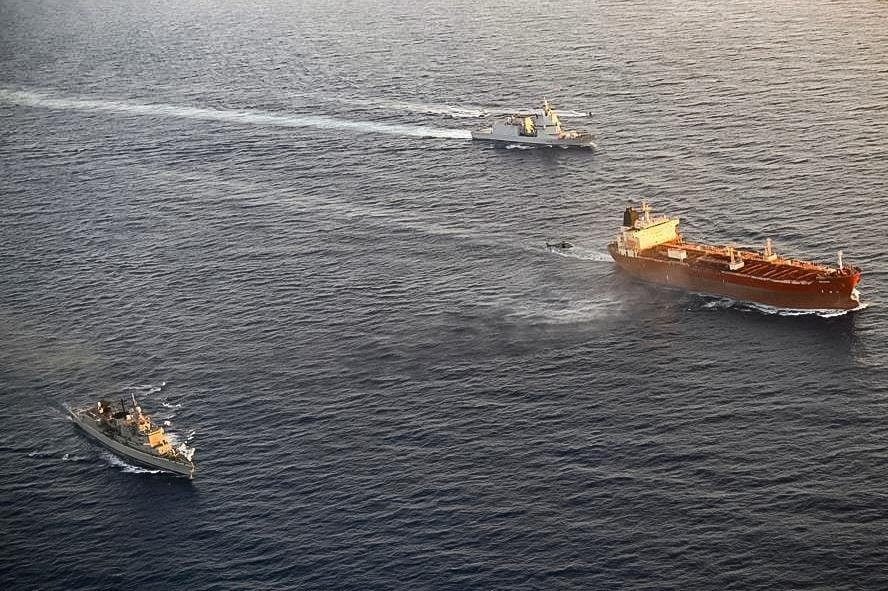
The reported action by CENTCOM signals a sharper phase in the U.S.-Iran standoff. The deaths of the soldiers in Jordan appear to have intensified pressure on Washington to respond, especially as concerns mount over regional security and the risk of further escalation tied to maritime routes and military activity near Hormuz.
The political debate in Washington is also heating up. Sen. John Fetterman said U.S. pressure on Iran should continue, even as divisions inside the Democratic Party widen over Israel and the broader regional conflict. His comments reflect the growing split over how forcefully the U.S. should act as tensions spread across multiple fronts.
With the Jordan attack, retaliatory strikes, and the Strait of Hormuz now central to the crisis, the conflict is entering a more volatile stage. The latest developments point to a broader struggle over deterrence, regional influence, and the risk of a deeper U.S. entanglement in the Middle East.