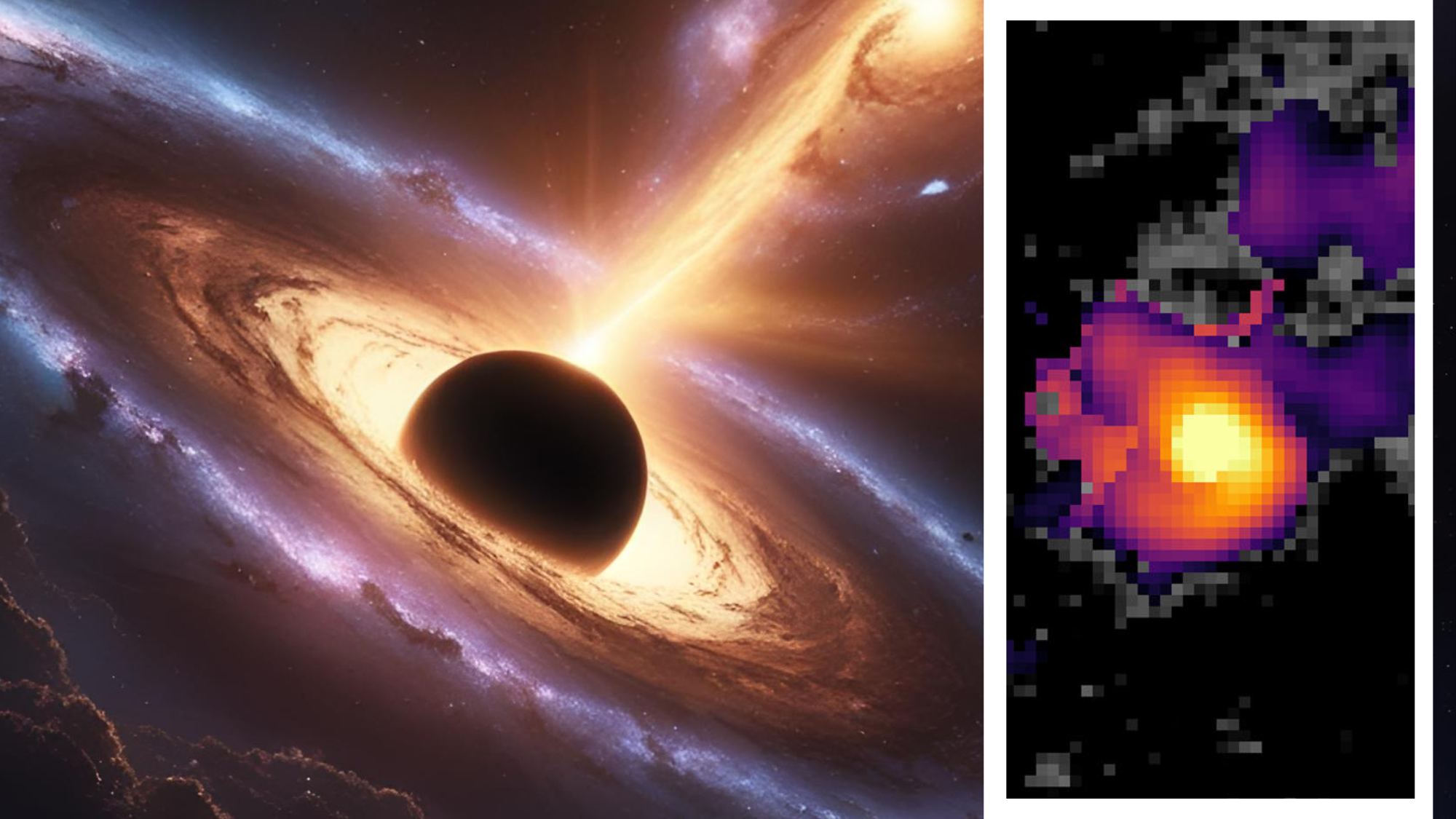
The James Webb Space Telescope is offering a fresh look at one of space science’s biggest mysteries: how black holes keep growing. Based on the new finding, researchers say black holes may not simply consume whatever crosses their path. Instead, they could be reusing matter in a way that makes them effective cosmic recyclers.
That idea points to a feeding process that is more circular than previously imagined. Rather than surrounding material being lost for good, Webb’s observations suggest some of it may remain part of a larger cycle that continues to supply the black hole over time.
If that interpretation holds up, it could reshape how astronomers think about black hole growth and the environments around them. The discovery also highlights the James Webb Space Telescope’s ability to reveal details that were difficult to study before, especially in distant and extreme regions of the universe.
For now, the result adds a new layer to the picture of black holes: not just as destroyers, but as objects that may sustain themselves by reprocessing the matter around them. It is another example of how JWST is changing scientists’ understanding of the hidden mechanics of the cosmos.