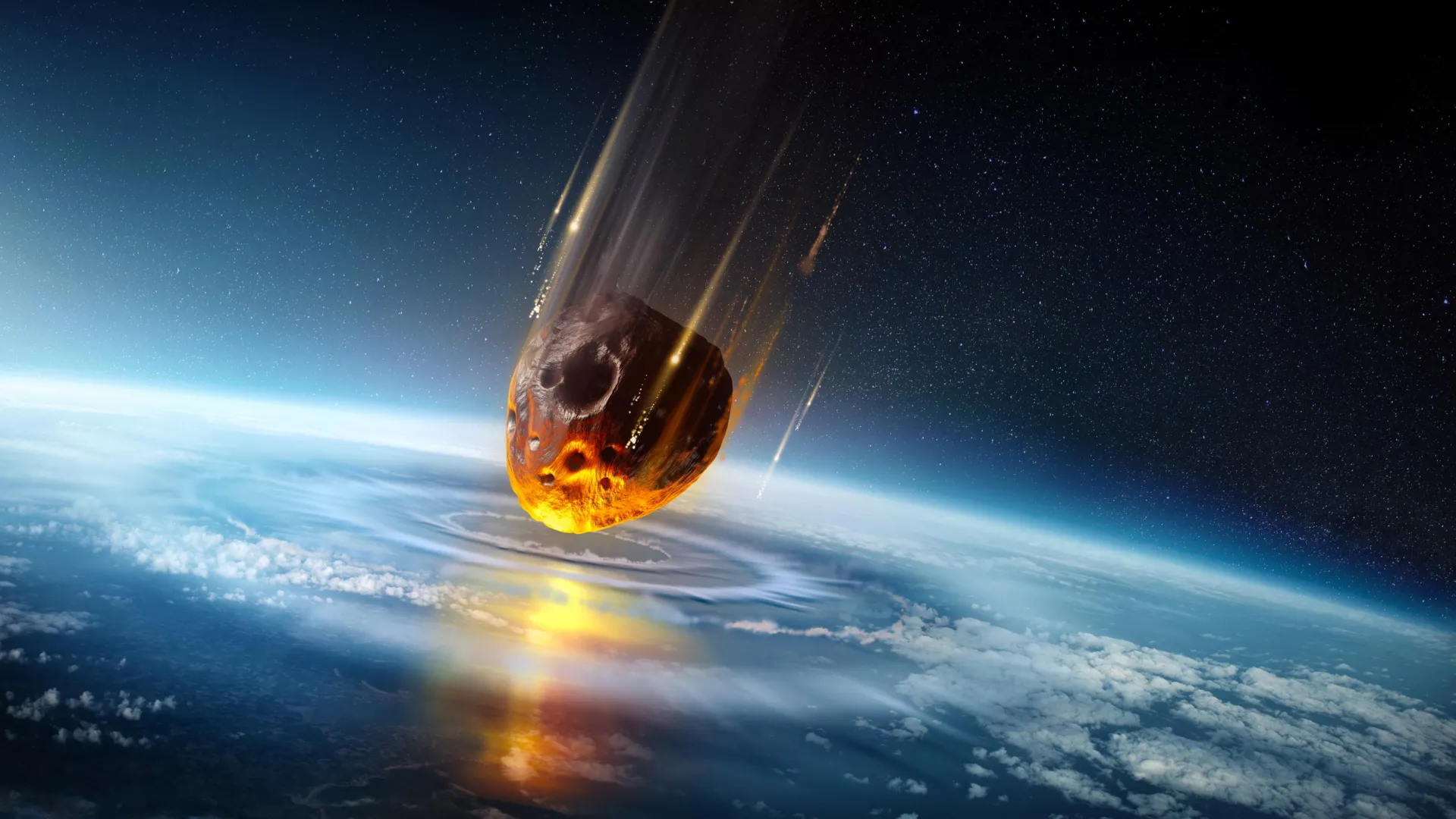
Scientists now think the space rock behind the mass extinction 66 million years ago was probably a very uncommon kind of meteorite called a CO chondrite. The impact is widely associated with the loss of around 75 percent of Earth’s species, including all non-avian dinosaurs.
According to the research highlighted by ScienceDaily, the object’s chemical signature points to a source in a more distant part of the solar system. That finding could help narrow down what kind of asteroid struck Earth in one of the most consequential events in the planet’s history.
The study also suggests the global cooling that followed may not have been driven mainly by sulfur contained within the asteroid itself. Instead, researchers say vast amounts of dust and debris thrown into the atmosphere may have played the larger role in blocking sunlight and disrupting the climate.
If confirmed, the result would refine how scientists understand both the origin of the impactor and the chain of environmental changes that followed. It adds a new layer to the long-running effort to explain exactly what hit Earth and why its aftermath was so devastating for life.





