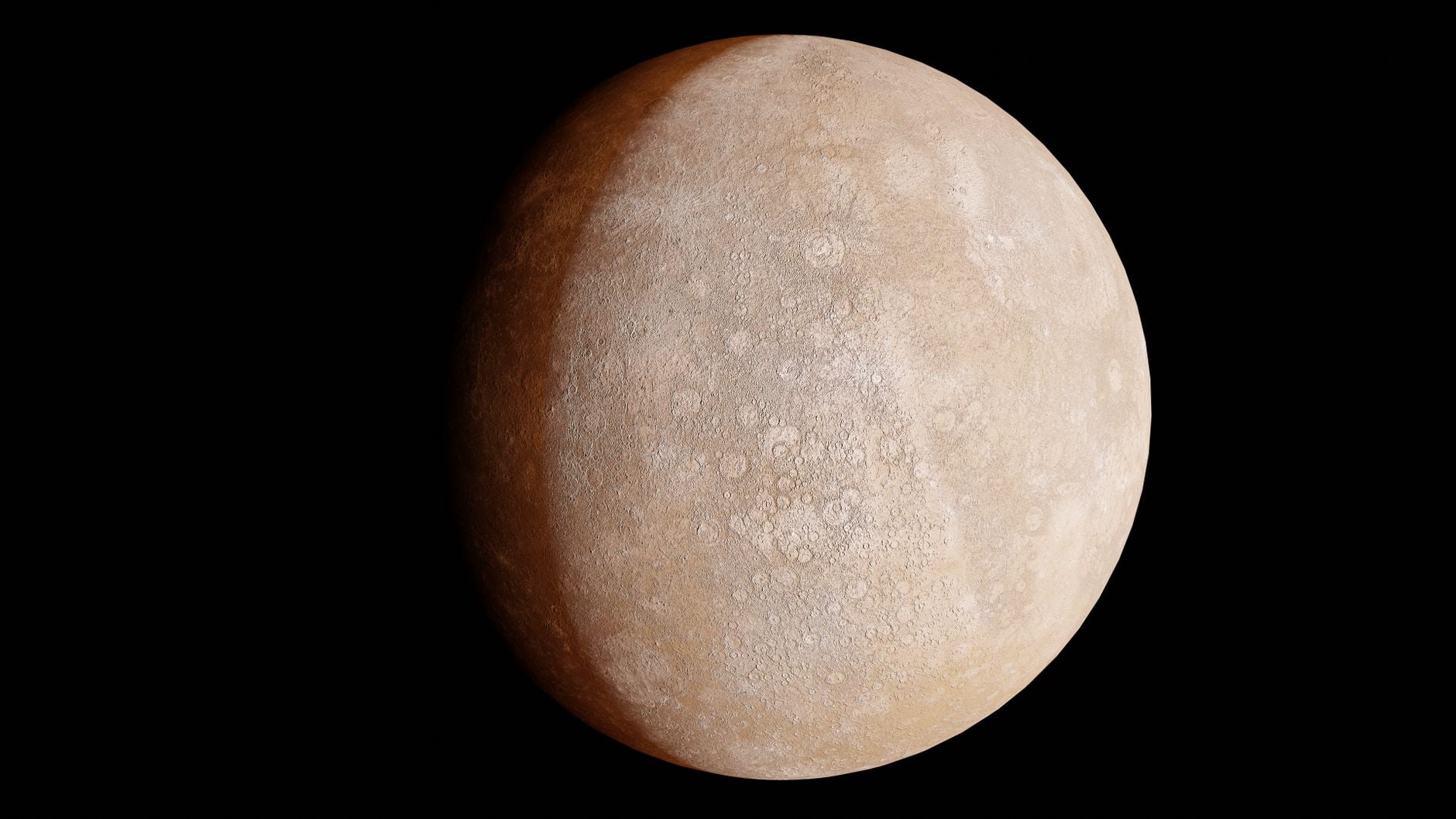
Mercury appears to have slowly shrunk as its iron core cooled over time, with the planet contracting by as much as seven kilometres. That long-term change has left a striking mark on the surface, where enormous cliff-like ridges wrinkle the landscape.
Those features run across craters and open plains, showing that the planet’s crust was compressed as internal heat escaped. Instead of remaining smooth, the surface was pushed and folded, creating long, curving cliffs that stretch for hundreds of miles.
The pattern offers a visible record of planetary cooling. On Mercury, that history is preserved in unusual detail, making the planet a natural example of how a rocky world changes as its interior loses heat and the entire body tightens.
Taken together, the cliffs and surface deformation point to a planet that has been reshaped from the inside out. Mercury’s scarred terrain is not just a sign of impacts and age, but also evidence of a world still telling the story of its gradual contraction.