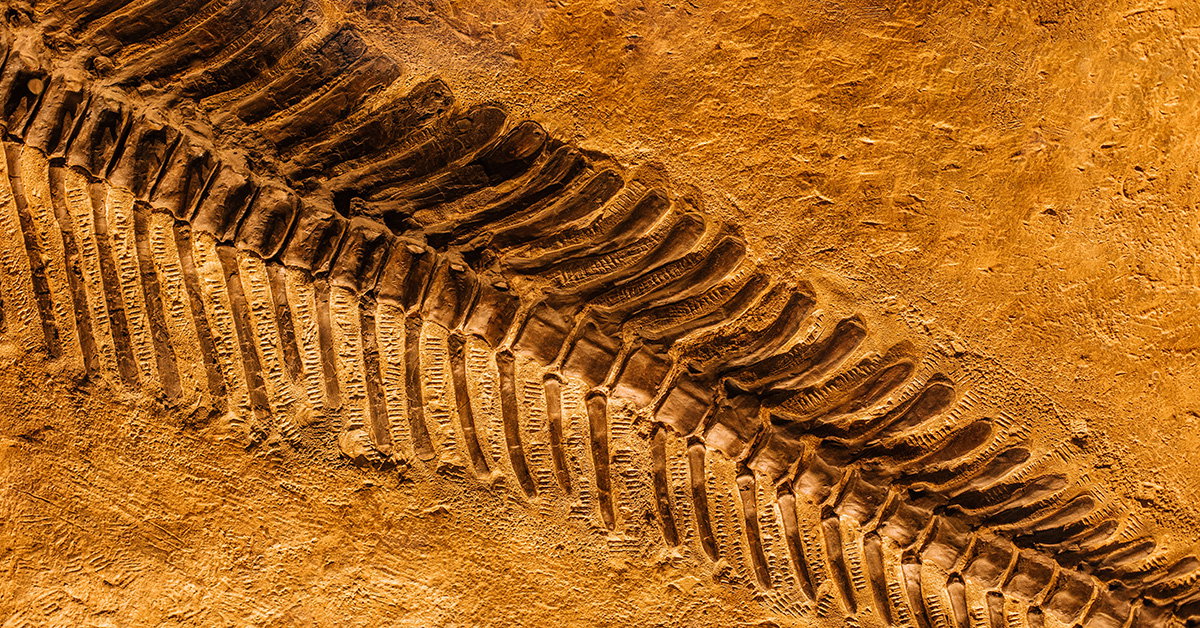
Prehistoric insects were not just slightly bigger than today’s species—they could be dramatically larger. A BBC Wildlife Magazine feature highlighted how fossil discoveries show ancient bugs reached sizes that now seem almost unbelievable, and examined why those extreme proportions may have been necessary in their world.
Among the best-known examples are dragonfly-like creatures such as Meganeura monyi and Meganeuropsis permiana. Fossil evidence suggests these animals flew with wings spanning about 75 centimetres, making them far larger than modern dragonflies and turning them into some of the most striking insects in the fossil record.
The article focuses on the idea that these giant forms were shaped by the conditions of deep prehistory. Rather than being oversized by chance, ancient insects appear to have evolved under environmental pressures that favored much larger bodies than those seen in modern ecosystems.
Taken together, the fossil record offers a picture of a very different planet, one in which insects could grow to extraordinary dimensions. Those giant prehistoric species remain a vivid example of how life can change when the surrounding world changes with it.