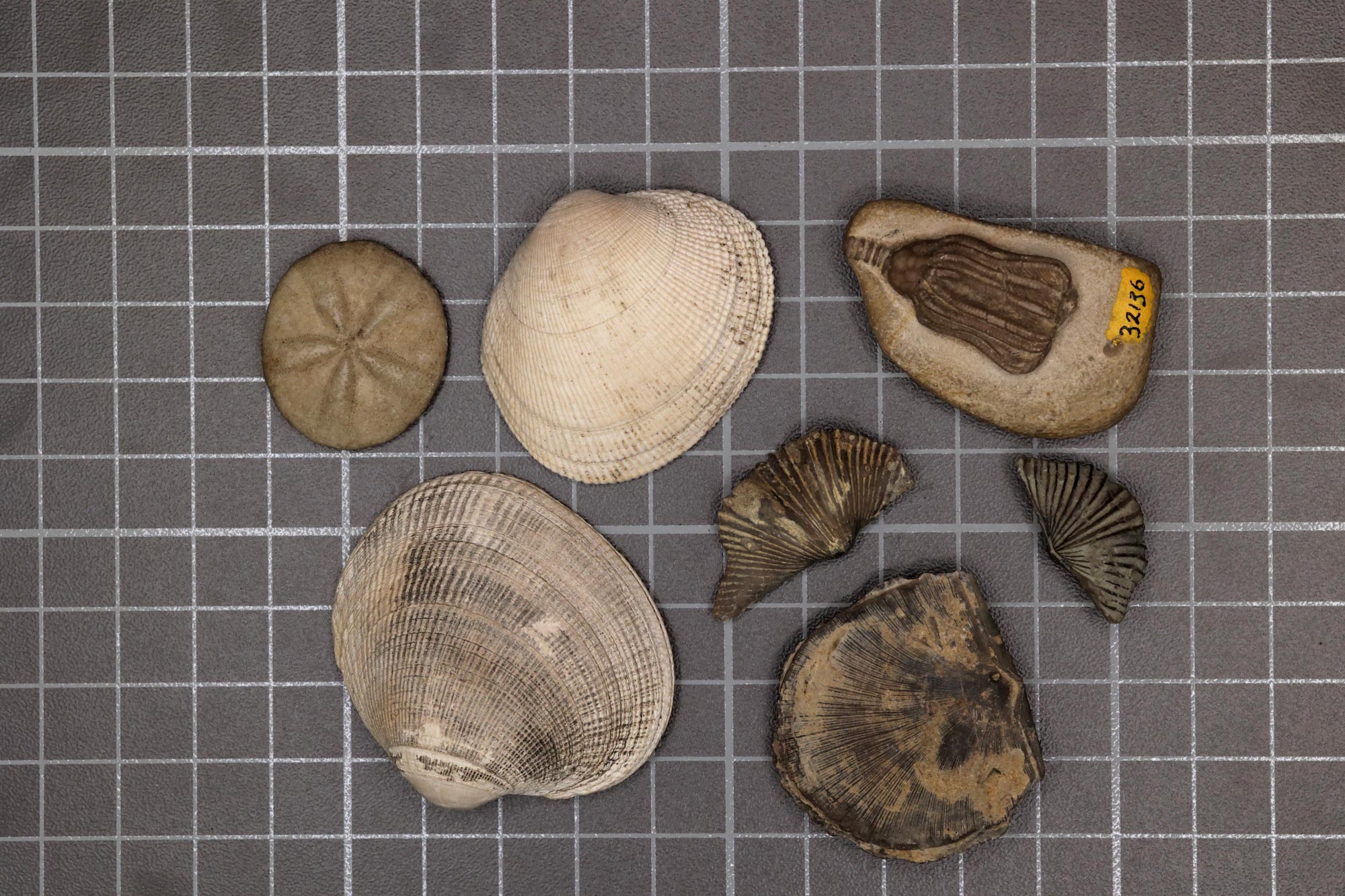
Stanford scientists say they have answered a long-standing question about a mass extinction that struck roughly 252 million years ago and transformed life in the oceans. Their work connects that ancient crisis to a familiar modern sight: beaches covered with shells from clams and snails.
According to the research highlighted by SciTechDaily, the ancestors of clams and snails were among the groups that made it through a catastrophe that wiped out most marine life. That survival helped set the stage for the makeup of coastal ecosystems seen today, where those animals are especially common.
The study points to a major shift between older Paleozoic marine communities and the kinds of animals that later came to dominate shorelines. By comparing representative ancient and modern fauna, the researchers argue that the extinction did more than cause losses in the short term — it reshaped which groups would thrive for millions of years afterward.
The findings suggest that the shells scattered across present-day beaches are more than everyday debris. They are evidence of how a distant extinction event permanently reordered ocean life, allowing some lineages to persist and eventually become defining features of modern marine ecosystems.