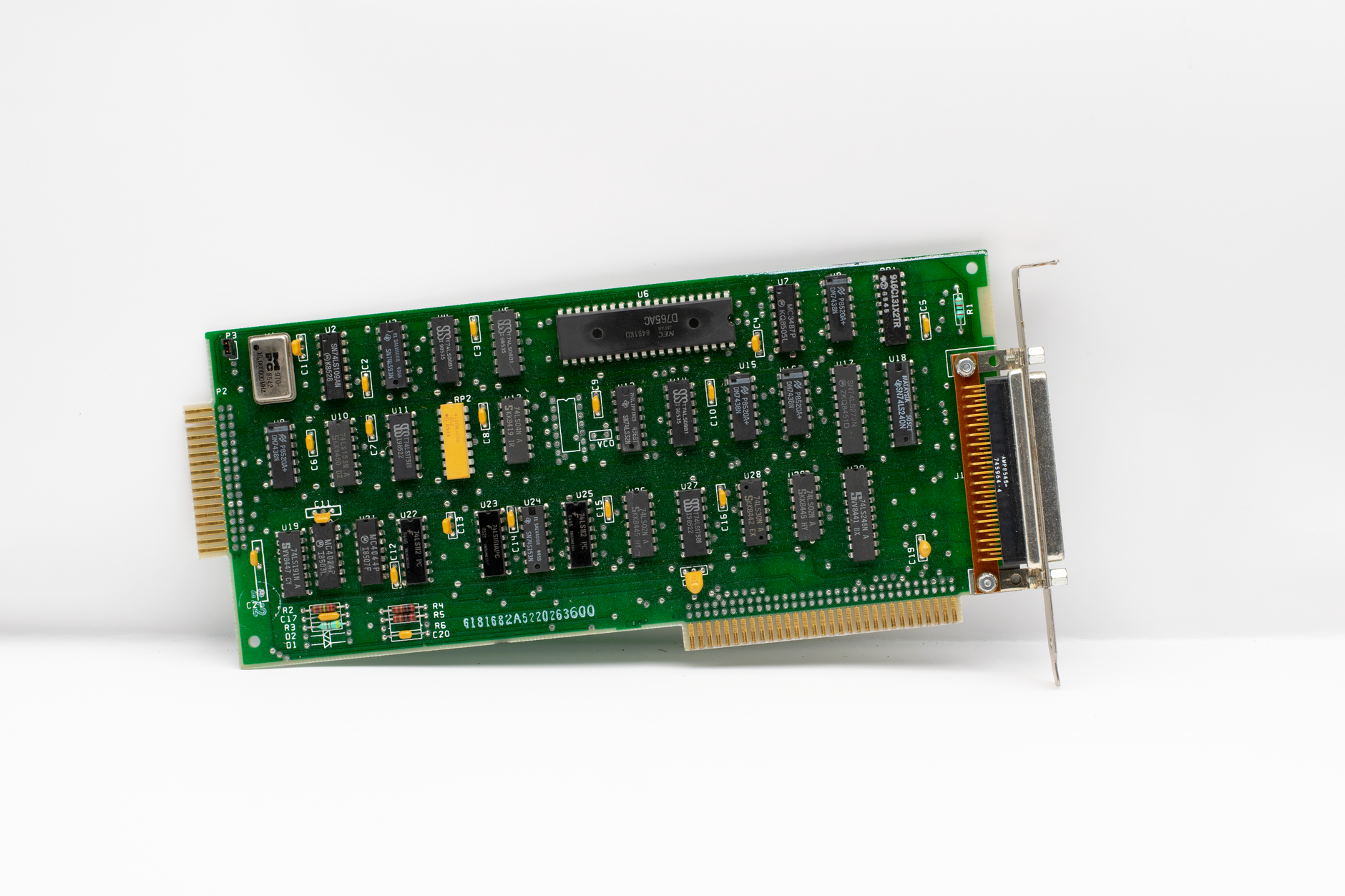
Voyager 1 continues its journey through interstellar space while relying on computing hardware designed in the early 1970s. According to NASA’s accounting, the spacecraft carries six flight-computer units that together provide about 68 kilobytes of memory.
That total is strikingly small by modern standards. As highlighted in reports about the mission, the spacecraft’s combined storage is less than the size of a single compressed photo on many smartphones, underscoring how limited its onboard resources are compared with today’s consumer technology.
Even so, Voyager 1 remains a powerful example of long-lasting engineering. The spacecraft’s ability to keep operating in deep space with such modest computing capacity shows how carefully its systems were built and how efficiently they were designed to handle mission-critical tasks.
The comparison also offers a reminder of how far computing has advanced since Voyager 1 was launched. What now seems like an almost unimaginable memory limit was once enough to support a spacecraft that is still traveling far beyond the planets, continuing one of NASA’s most remarkable missions.