India is increasingly being viewed as a new kind of swing player in the energy market, not because it controls crude output like Saudi Arabia, but because of its growing influence in refining. The idea is that global oil markets may now depend not only on who pumps more crude, but also on who can quickly turn that crude into fuels the world actually uses.
For years, Saudi Arabia has been treated as the classic swing producer, able to raise or cut oil production to balance supply. The emerging argument is that India is taking on a similar role in refining. As refining capacity expands and market reach grows, India appears better positioned to respond when demand for fuels rises or weakens.
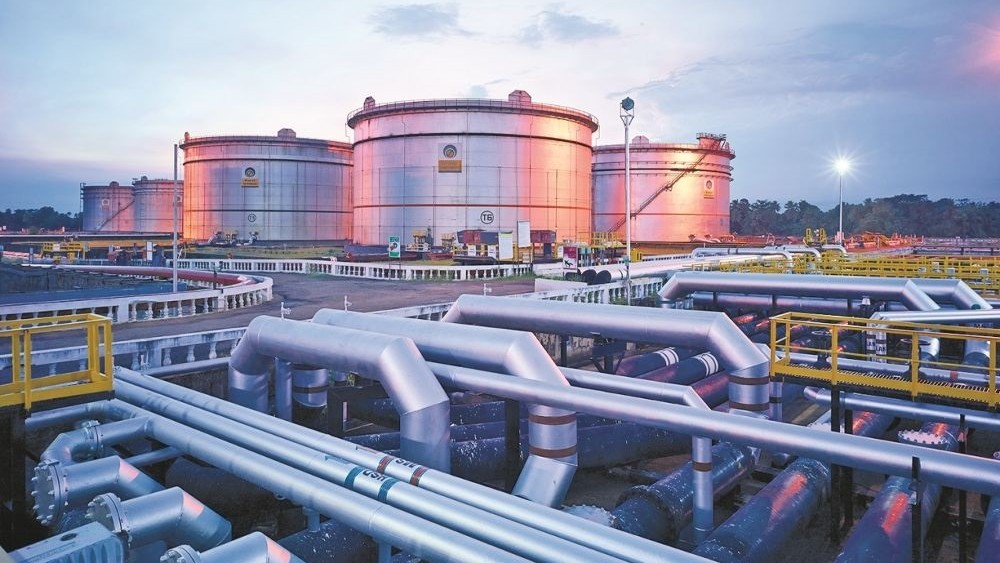
That shift matters because refining sits at the center of real-world fuel availability. Even when crude is abundant, consumers and industries still need gasoline, diesel and other petroleum products to move through the system efficiently. A country with the ability to adjust refining activity at the right moment can have an outsized effect on prices, trade flows and regional fuel balances.
The broader takeaway is that power in oil markets may be spreading beyond traditional crude producers. If India continues to strengthen its refining role, it could become one of the most important stabilizers in global fuel supply, quietly reshaping how the market responds to swings in demand.