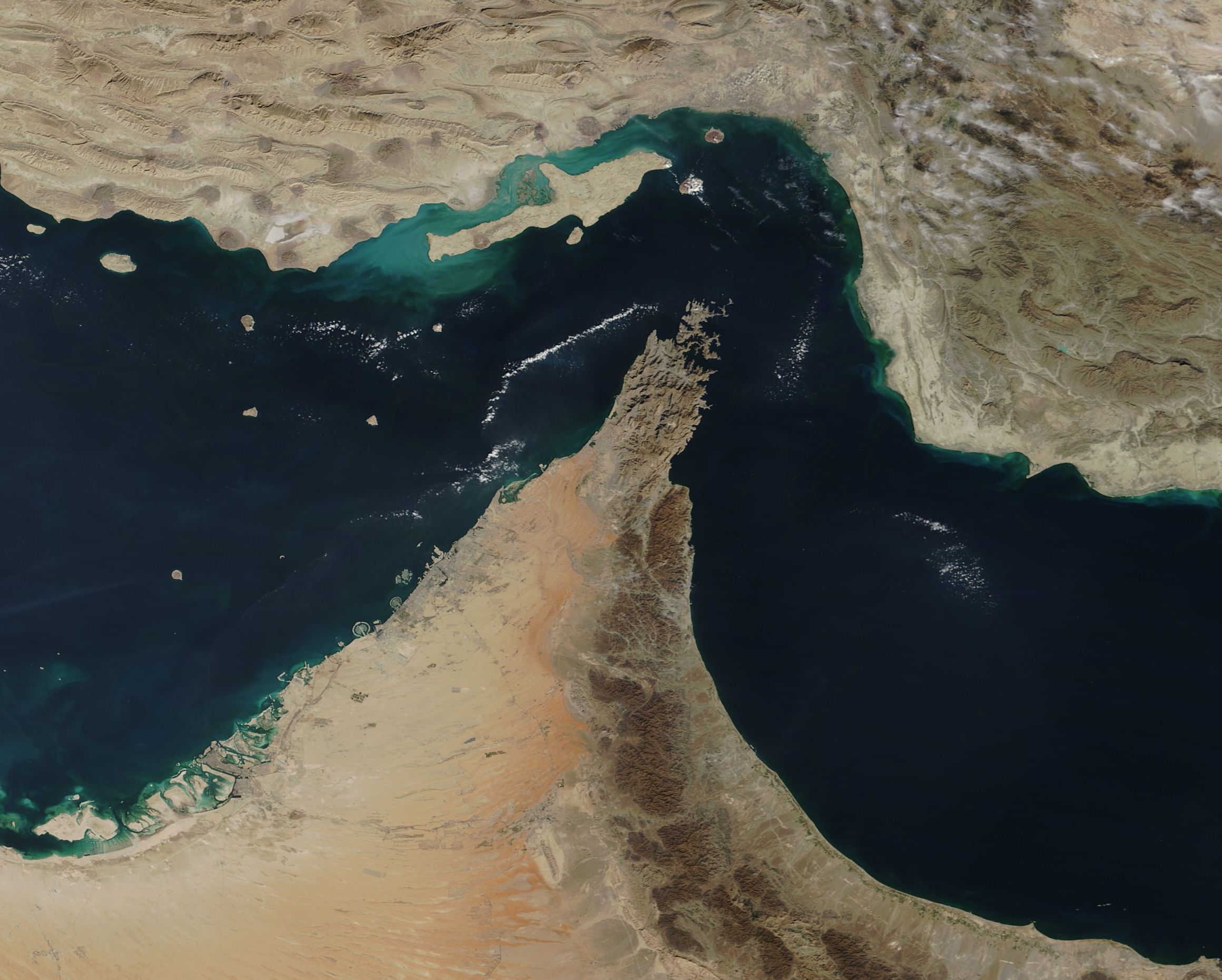
A brief ceasefire between the United States and Iran has broken down, returning the Strait of Hormuz to the center of a fast-moving regional crisis. With fighting resuming and the US blockade still in place, concerns over security in one of the world’s most important energy routes have intensified.
The renewed confrontation has quickly rippled through global oil markets. Traders reacted to the increased risk of disruption in the waterway by pushing prices sharply higher this week, reflecting fears that any prolonged instability could restrict the movement of crude and fuel supplies.
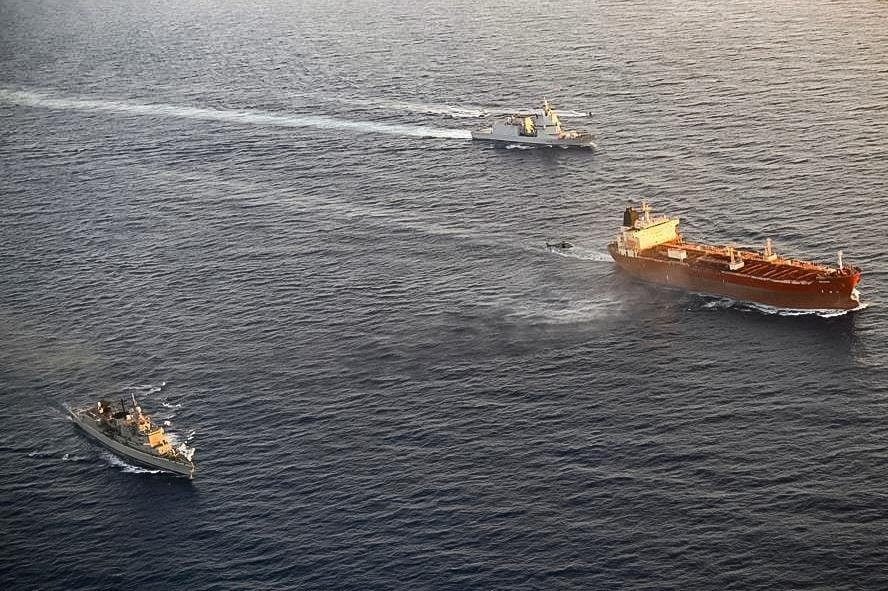
Maritime traffic in the Strait of Hormuz is also facing fresh pressure as military activity resumes. The route is critical for international shipping, so any escalation between Washington and Tehran can raise insurance costs, delay voyages and create wider uncertainty for energy buyers and transport operators.
The latest turn highlights how fragile the situation remains even after temporary pauses in hostilities. As the ceasefire unravels and both sides return to military action, markets and shipping lanes are once again being shaped by the risk of a broader conflict in the Gulf.