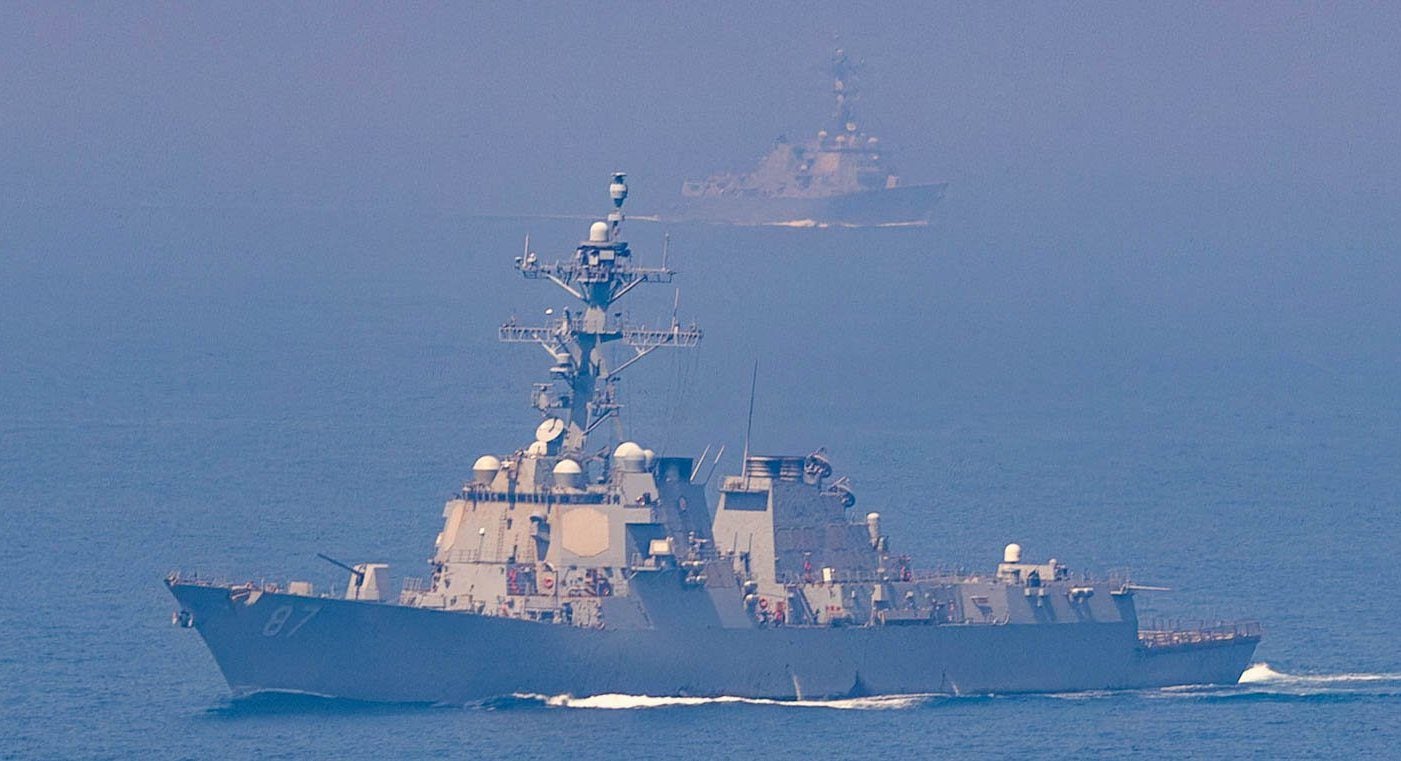
The United States and Iran appear trapped in a dangerous back-and-forth, with the conflict deepening after a fifth straight day of US strikes and Iranian retaliation affecting Gulf nations and Jordan. The central question is not only who can claim momentum, but which side has more to lose if the fighting continues.
For Washington, a drawn-out confrontation risks expanding instability across the region and raising the political and strategic costs of military action. Even if the US believes it can manage the battlefield pressure, a prolonged campaign could pull it deeper into a wider crisis that becomes harder to contain.
Iran also faces serious pressure points. Sustained conflict can strain its military posture, test its ability to keep up retaliation, and add to the broader burden created by an extended war. That makes any long confrontation painful, even if Tehran wants to show that it can absorb pressure and respond in kind.
The logic of a new truce deal rests on that shared vulnerability. While each side may want to avoid appearing weak, the rising cost of continued attacks suggests that both Washington and Tehran have reasons to seek an off-ramp before escalation turns into a conflict neither can easily control.