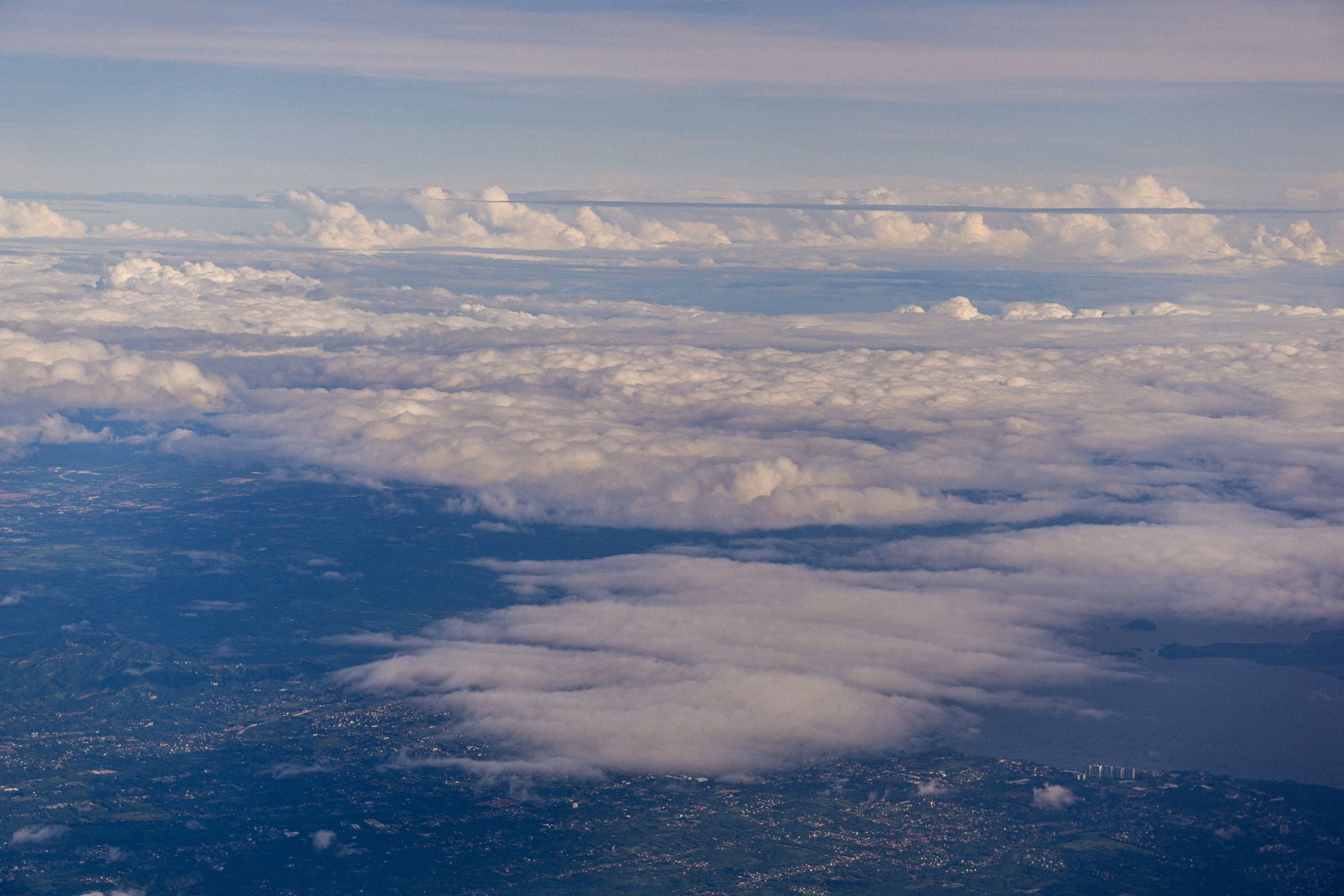
Astronauts who have seen Earth in full from space have long described a similar emotional and mental shift, often called the overview effect. The idea refers to the powerful change in perspective that can come from looking at the planet as a single, fragile world, where political borders and human conflicts seem to fade against the silence of space.
The concept is closely linked to Apollo 14 astronaut Edgar Mitchell, who reflected on the experience after his 1971 mission. According to the report, Mitchell watched Earth, the Moon and the Sun turning through the spacecraft window on the trip home and later described a deeply personal response to that view. Writer Frank White later gave the phenomenon its widely used name in 1987.
The same theme appears to have resurfaced with the Artemis II mission in April 2026. While traveling 406,771 kilometres from Earth, the crew reportedly spoke about the same kind of perspective shift in language that echoed earlier astronauts. That continuity suggests the experience is not limited to one era of spaceflight, but may be a recurring human response to seeing the planet from far beyond it.
Reports about the overview effect often focus on what happens after astronauts return. Everyday concerns such as traffic, routine conversation and ordinary disagreements can seem distant or reduced in scale. The enduring interest in the phenomenon lies in that contrast: space can make Earth feel both smaller and more connected at the same time.





