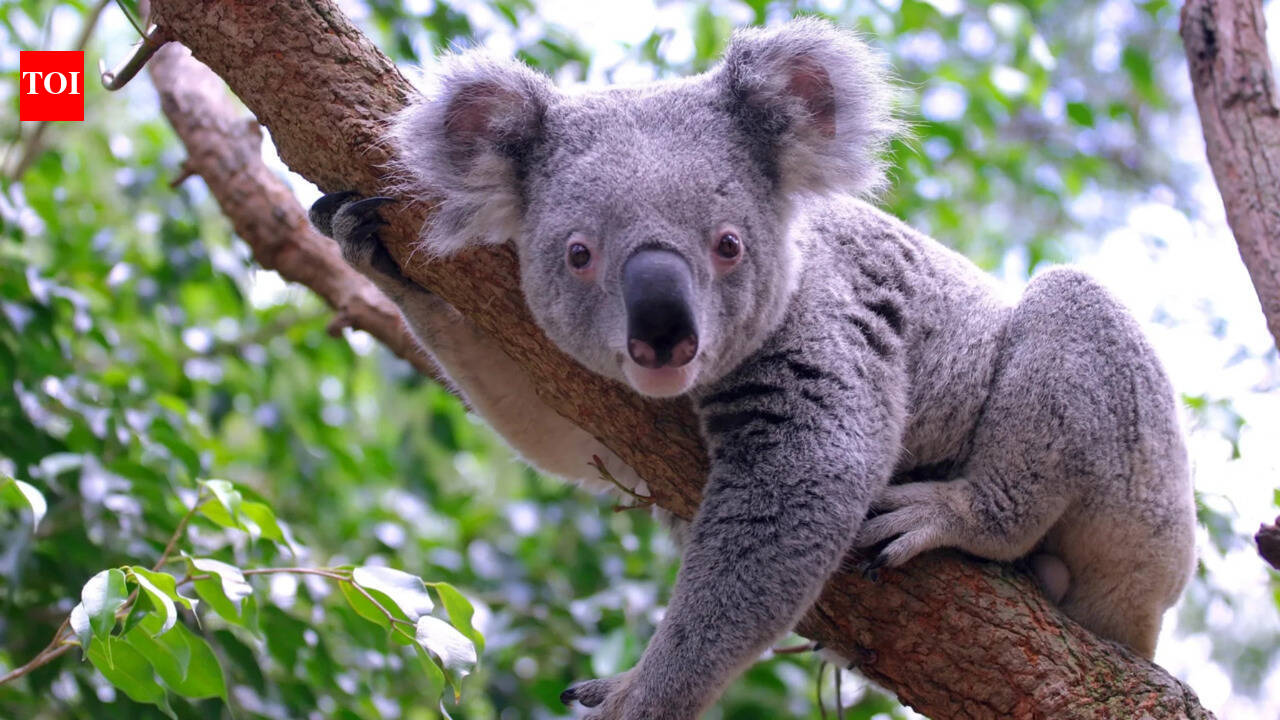
A major genetic study of 457 koalas suggests the iconic marsupial came close to extinction around 100,000 years ago. Researchers say the sharp decline happened long before humans arrived in Australia, pointing instead to powerful environmental pressures.
The findings indicate that major climate changes were likely the main driver of the population collapse. By analyzing koala DNA, scientists were able to look back at the species’ history and identify signs of a severe reduction in numbers far earlier than human settlement.
The study adds to growing evidence that climate shifts have shaped wildlife survival over long periods of time. In the case of koalas, the research suggests that natural environmental upheaval may have pushed the species to the edge even in ancient times.
The results also offer important context for modern conservation. If koalas were once heavily affected by climate-driven change, the study suggests their long-term survival may be closely tied to how well they can withstand environmental stress today.