Physicists have recreated a black hole-related energy effect in the laboratory, turning a long-standing theoretical idea into a measurable result. The work centers on a phenomenon linked to rotating black holes, where waves can gain energy under the right conditions instead of simply losing it.
The concept is tied to Penrose superradiance, a theory proposed roughly 50 years ago. In simple terms, it suggests that rotation can transfer energy to incoming waves, effectively amplifying them. While the original idea was developed in the context of black holes, researchers have now built a lab-based system that mimics the same underlying physics.
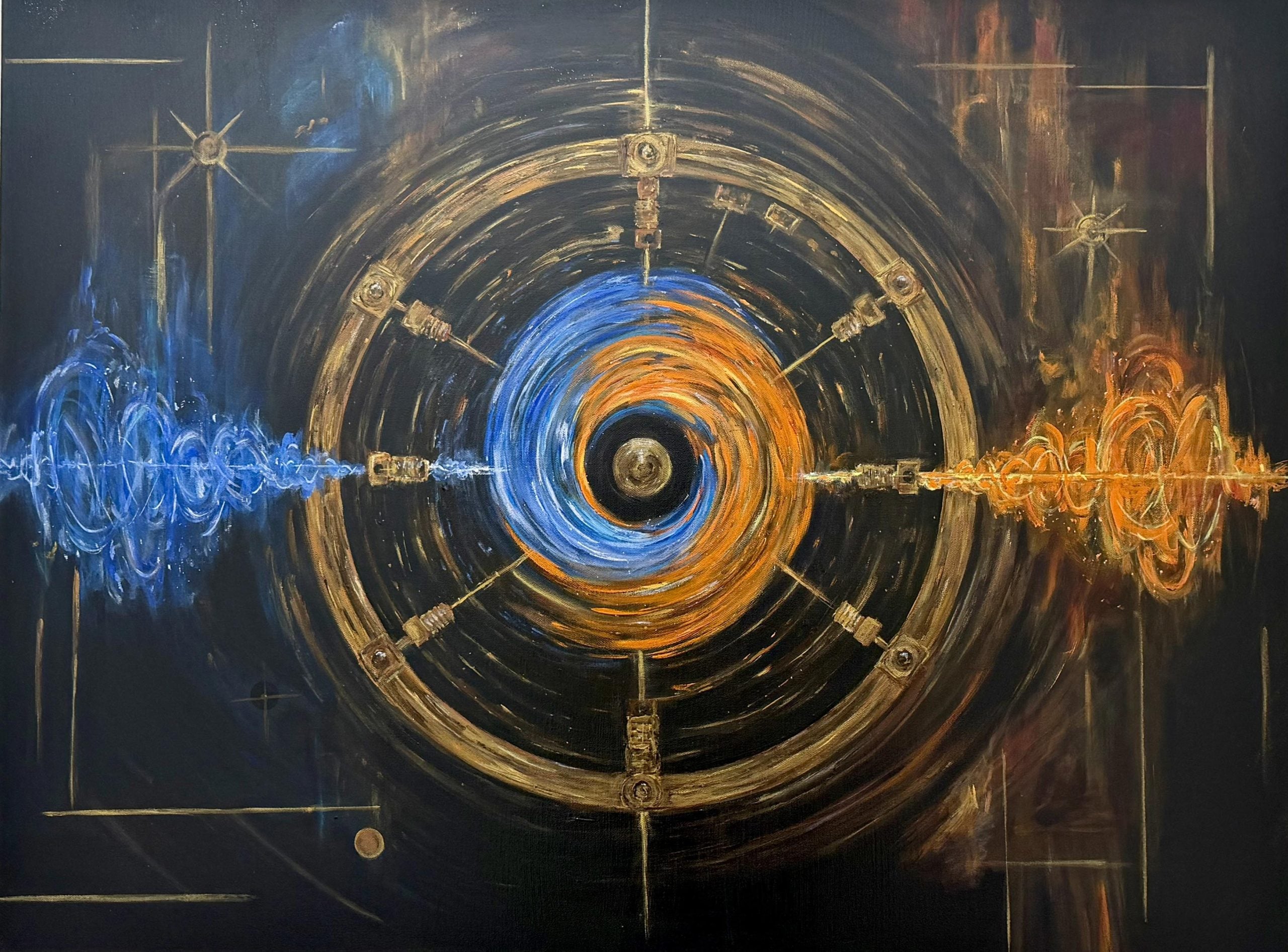
According to the description of the experiment, the team used synthetic rotation rather than an actual spinning black hole analogue. Electromagnetic waves with carefully chosen rotational patterns were then sent into a system designed to appear as if it were rotating at extremely high, even effectively superluminal, speeds. Under those conditions, the waves were amplified, matching the behavior predicted by the theory.
The result does not mean scientists have created a black hole in the lab, but it does show that a famous gravitational physics idea can be tested in controlled settings. That opens the door to deeper studies of wave amplification, rotating systems and possible future technologies inspired by effects once thought to belong only to extreme objects in space.