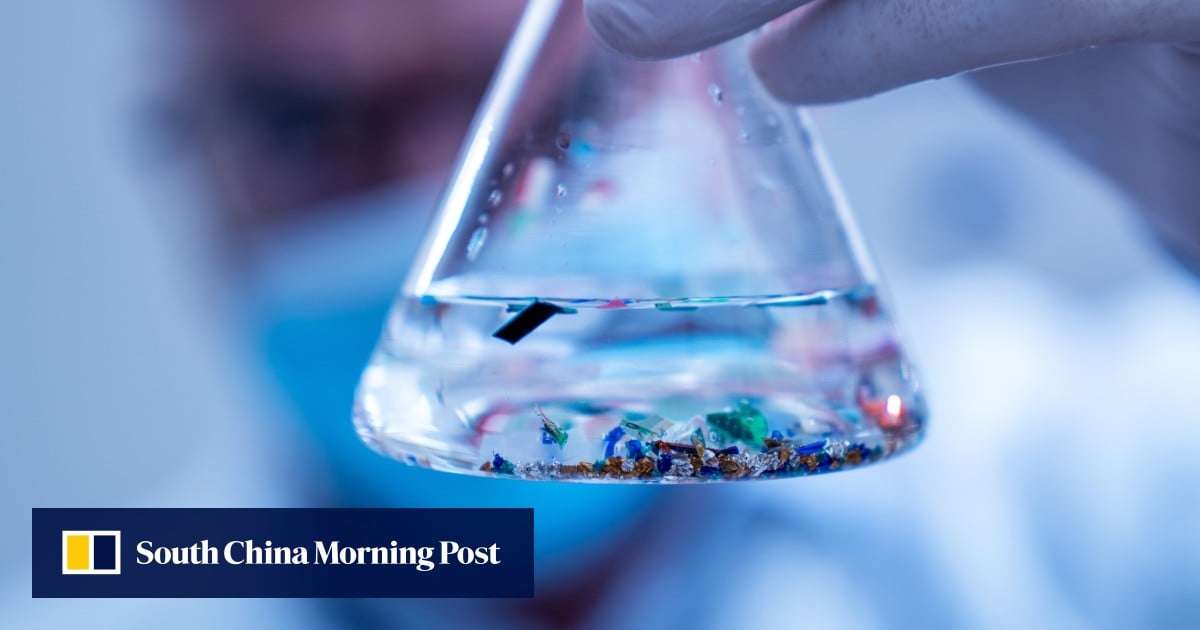
Plastic pollution remains a growing global challenge, with more than 460 million tonnes of plastic produced every year. Because these materials break down very slowly, they continue to build up in landfills, waterways and the wider environment, increasing pressure for practical solutions.
A new study highlighted by the South China Morning Post suggests China may have found a relatively low-cost way to turn plastic waste into jet fuel. The research points to a method that could recover value from discarded plastics instead of leaving them to accumulate as long-term waste.
The idea is significant because it links two major issues: mounting plastic pollution and demand for aviation fuel. If the process can be developed at scale, it could help reduce waste while creating a useful energy product from materials that are otherwise difficult to manage.
The findings add to wider efforts to improve recycling and find cleaner, more efficient uses for waste. While questions about large-scale deployment and real-world impact are likely to remain, the study suggests that plastic waste could become part of a more economical fuel pathway rather than only an environmental burden.