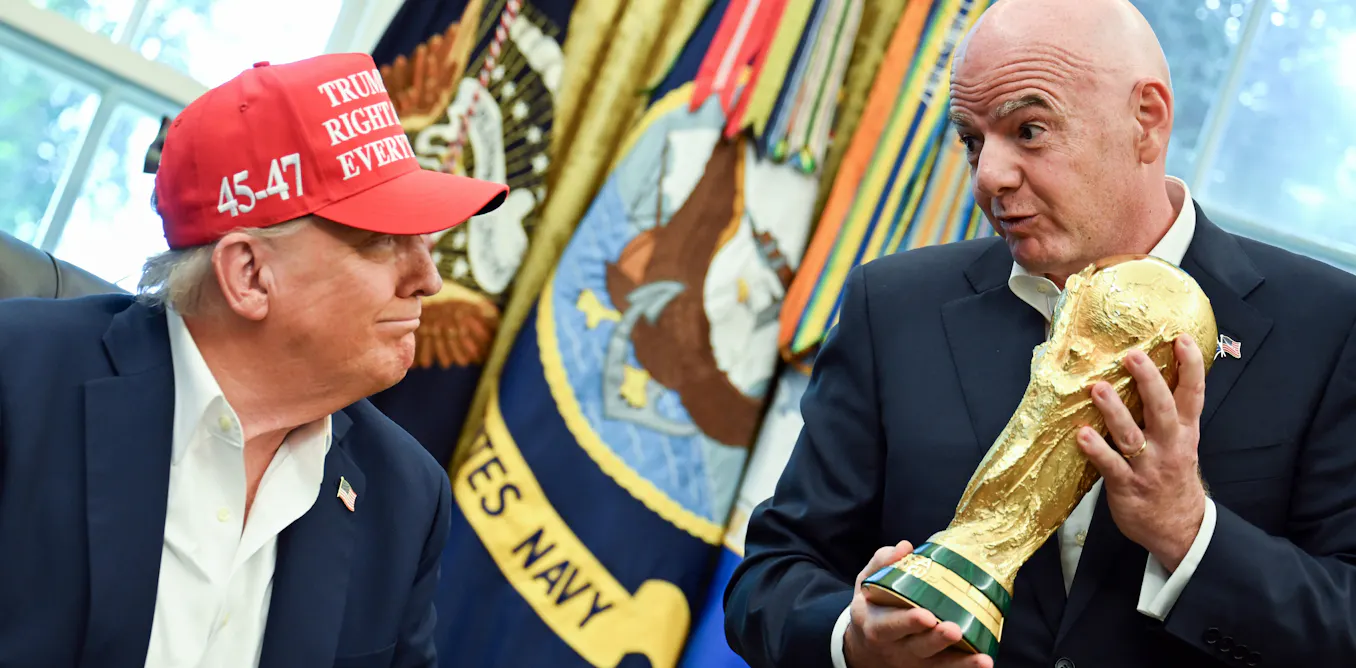
Hosting the men’s FIFA World Cup is often seen as a rare chance for a country to improve its global image. The tournament can showcase culture, competence and openness to a huge international audience, making it one of the strongest tools of modern soft power.
That is why the debate around the United States is so striking. Rather than delivering a straightforward reputational boost, a series of controversies appears to be clouding the event before it can serve that diplomatic purpose. The broader argument is that a competition designed to generate goodwill can also expose tensions, divisions and policy problems.
The contrast with past hosts helps explain the concern. Countries have used the World Cup to present themselves in a warmer, more inviting light, turning sport into a form of national branding. In this case, however, the tournament risks becoming an example of how the promise of soft power can be weakened when off-field disputes dominate the conversation.
If that pattern continues, the US may find that hosting football’s biggest event brings mixed results rather than a clear image win. Instead of being remembered mainly as a celebration of sport, the tournament could stand as a lesson in how quickly soft power gains can be undermined by controversy.