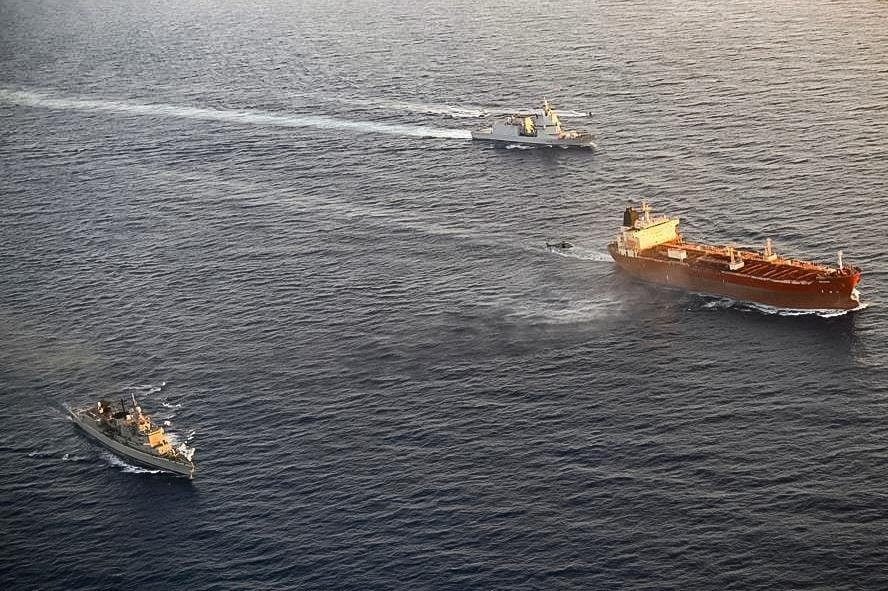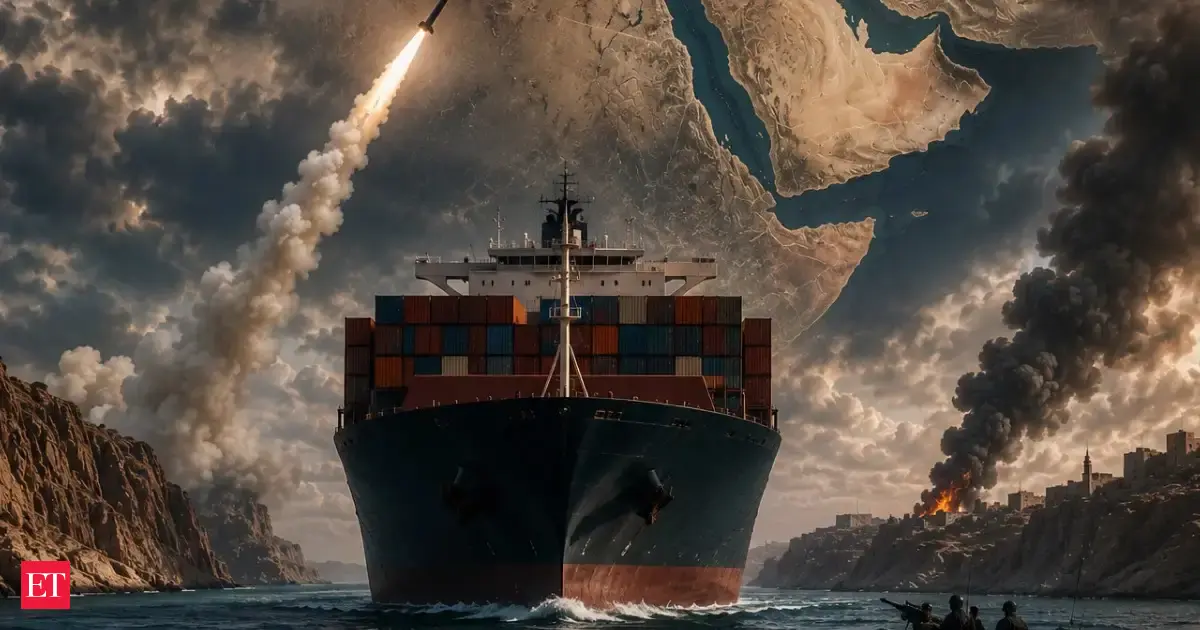
The Red Sea remains one of the world’s most dangerous shipping routes because it sits at the center of global trade, energy flows and rising regional tensions. Fresh concern has followed Iran’s warning that pressure on energy markets could widen, putting renewed attention on this already sensitive maritime corridor.
A major reason the route is so vulnerable is the Bab el-Mandeb Strait, a narrow and strategically important passage linked to the wider Red Sea shipping network. Because it is an essential trade artery, even the threat of disruption can unsettle markets and raise fears over delays to cargo and energy shipments.
The risk has also grown as Houthi rebel activity adds to instability in the area. With Iran signaling possible disruptions and the Red Sea again emerging as a geopolitical flashpoint, ship operators and energy traders are watching the route more closely.
For global commerce, the danger is not just about local conflict but about how quickly trouble in the Red Sea can spread through supply chains and energy markets. That is why the route continues to be viewed as one of the most hazardous and strategically important shipping lanes in the world.