The 61st Venice Biennale is being viewed through the lens of video art, with attention on how moving-image works are shaping the tone of one of the art world’s most closely watched international exhibitions. This edition opened under turbulent conditions in Venice, adding a heightened sense of tension to the event’s early atmosphere.
At the center of that discussion is the broader condition of video art itself: how it is presented, how it carries emotion, and how it responds to a moment marked by instability. The framing suggests a medium still deeply tied to questions of memory, public feeling, and unrest, rather than spectacle alone.
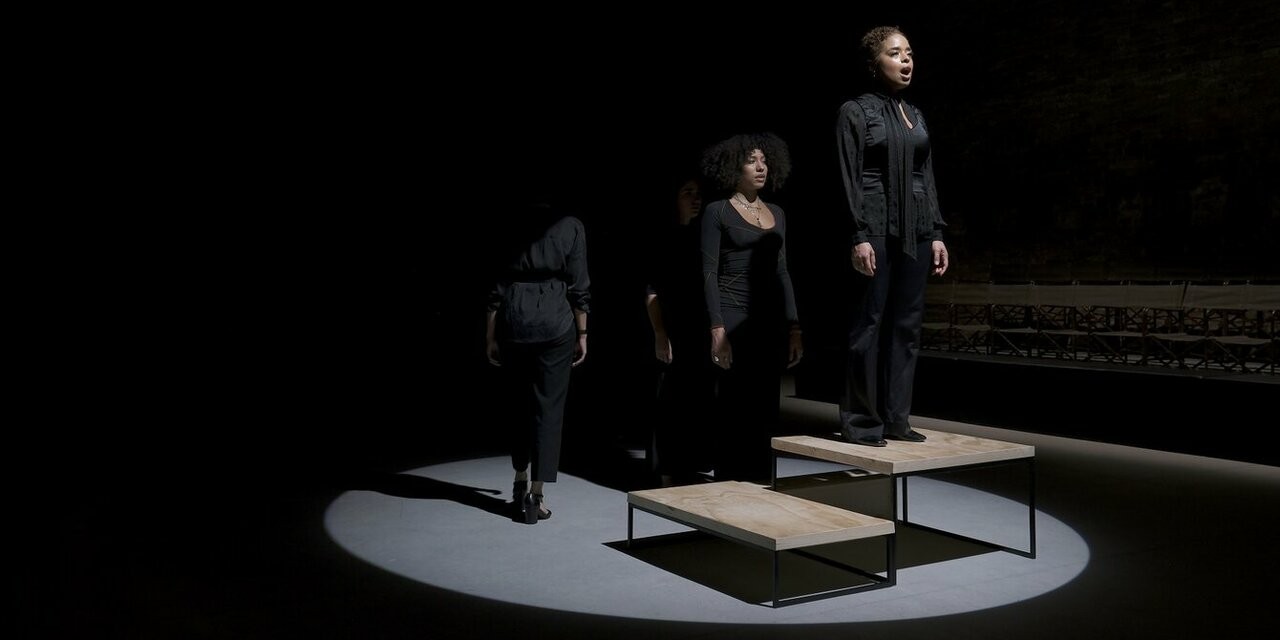
One work highlighted in this context is Gabrielle Goliath’s 2024 performance "Elegy - for two ancestors," shown at the Sale d’Armi in the Arsenale. Its inclusion points to the Biennale’s continued interest in time-based art that blends performance, image, and acts of remembrance.
Taken together, the exhibition appears to position video art as both reflective and urgent. At the 61st Venice Biennale, moving-image works are not simply part of the background of contemporary art; they are central to how the event registers mood, history, and cultural unease.