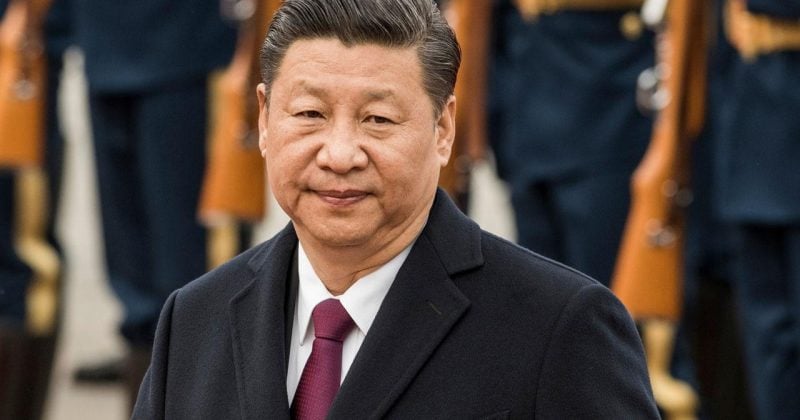
Chinese President Xi Jinping has positioned Beijing as a leading force in shaping the next phase of global artificial intelligence rules, using the World Artificial Intelligence Conference to outline a more formal governance vision. At the center of that effort is a proposal for a 29-country AI body, signaling China’s intent to play a larger role in setting international standards.
The plan points to a government-directed approach to AI oversight, with Beijing presenting itself as a champion of a new global framework. Based on the available details, the initiative appears focused on artificial intelligence regulation and coordination rather than a broader digital asset agenda.
One notable aspect of the proposal is what it leaves out. Blockchain and cryptocurrency do not appear to be part of Xi’s AI governance pitch, a distinction that stands out given how often emerging technologies are discussed together in global tech policy debates.
That omission also underscores a wider separation between China and the United States in how critical technologies are being prioritized and governed. As competition over AI leadership intensifies, China’s latest move suggests Beijing wants not only to develop the technology, but also to influence the rules that guide its global use.