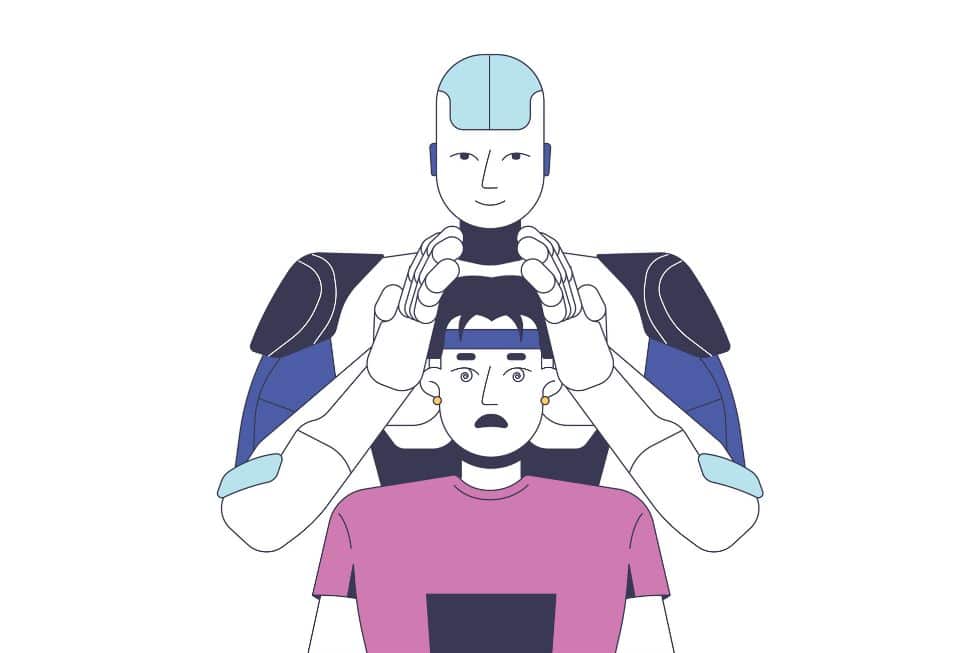
A growing debate over generative AI is raising a difficult question for writers: can copyright law really protect creative work in the age of machine-made content? In an analysis framed around that challenge, the argument is that legal ownership alone may not be enough as AI systems increasingly absorb and reproduce patterns from human-created material.
The discussion points back to 2022, when U.K. company Stability AI released Stable Diffusion, a text-to-image model presented as a way to broaden access to image generation. That release became part of a wider shift in how generative AI tools entered public life, accelerating concerns from artists, authors and other creators about how their work could be used to train powerful systems.
For writers, the core issue is not only whether existing copyright rules apply, but whether those rules are strong enough, fast enough or broad enough to address the scale of AI development. The piece suggests that relying only on copyright claims may leave creators exposed, especially as technology moves faster than legal systems and enforcement remains uneven.
Instead, the focus is on the need for new strategies that go beyond traditional copyright protections. While the exact mix can vary, the broader message is that writers may need a more expansive response to AI, one that addresses power, consent and the future value of creative labor rather than depending on copyright as a complete solution.