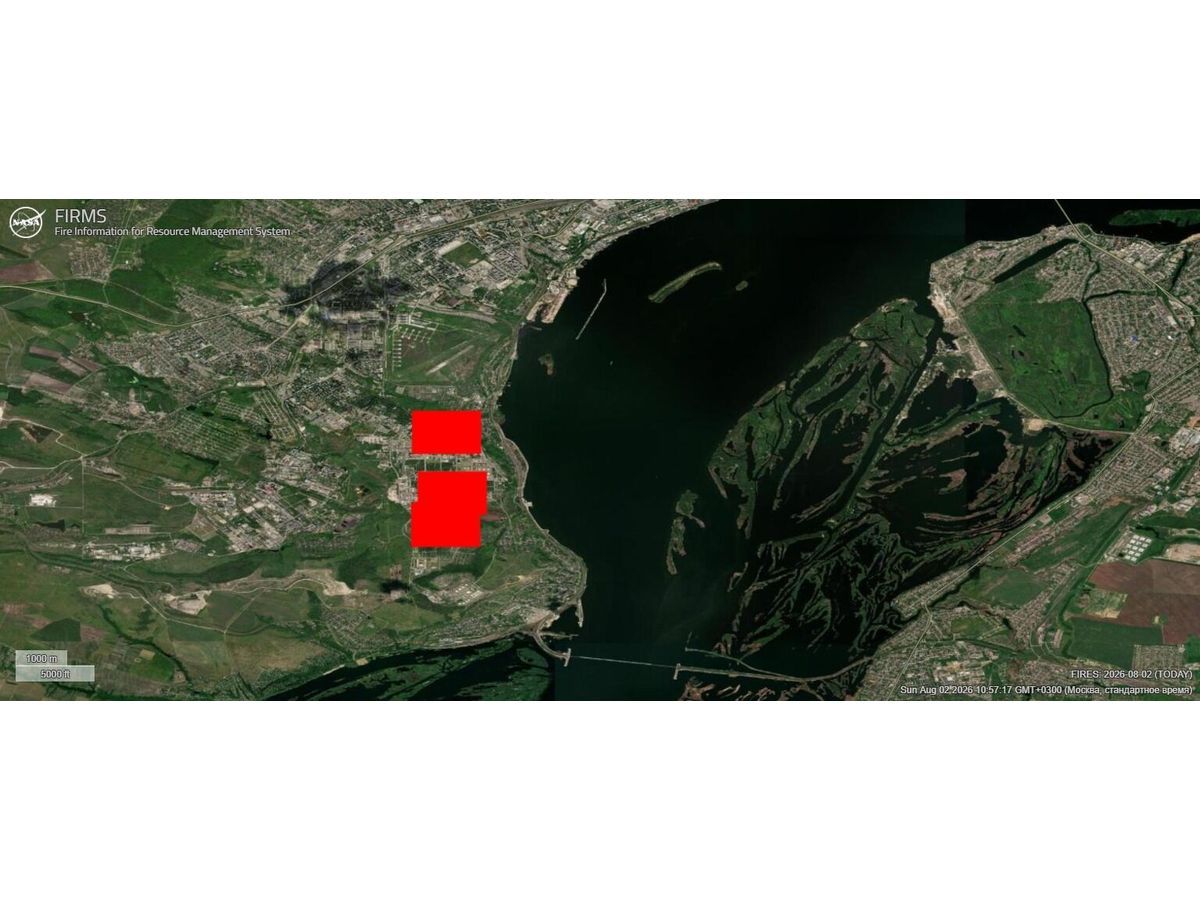
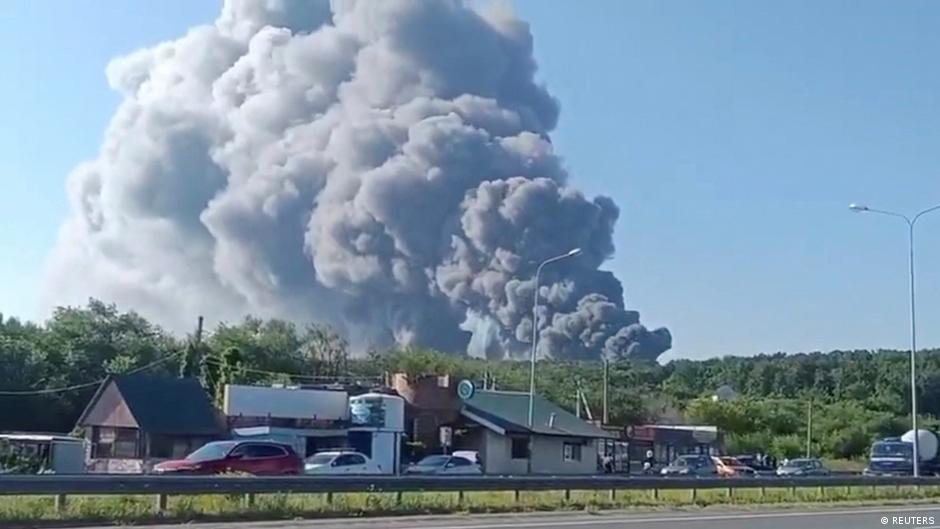
A new opinion piece argues that automated warfare is pushing modern conflict into a more dangerous phase, where the idea of a clear winner becomes harder to define. Using the wars tied to Ukraine and Iran as examples, the article says machine-driven combat can continue even when military strategy appears to be failing.
The central warning is that automated weapon systems may keep violence going far longer than traditional wars. If combat relies increasingly on drones, remote systems and other automated tools, the cost of continuing a conflict can shift, making it easier for fighting to persist without a decisive outcome.
The commentary also suggests that this kind of warfare expands the battlefield. In that environment, the line between front lines and wider society can weaken, feeding the sense that more people are exposed to risk and that survival itself becomes the measure of success.
Overall, the piece presents automated war not as a path to cleaner or smarter victories, but as a model that may deepen instability and prolong destruction. Its broader question is where this trajectory leads if technology allows wars to keep going without delivering real strategic resolution.