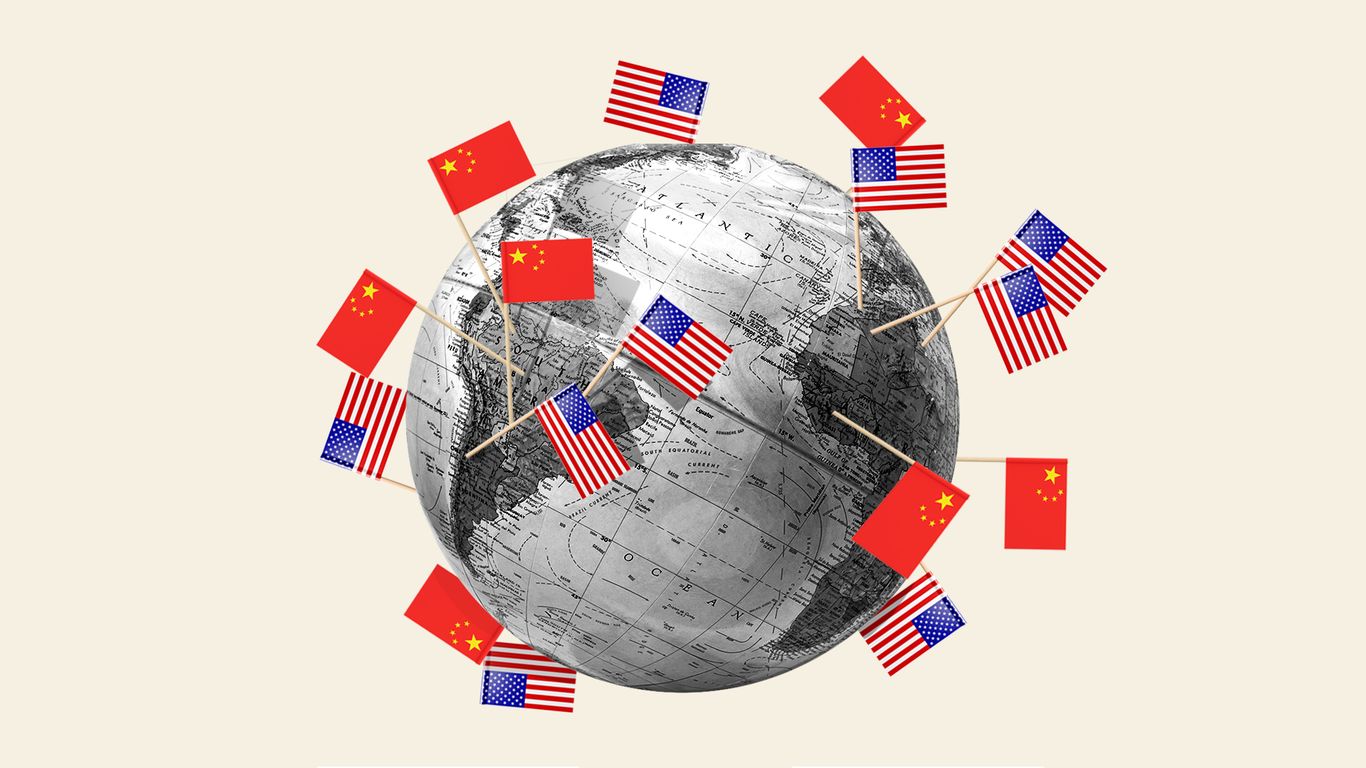
A growing fight inside the Trump administration is centered on how the U.S. should respond to China’s fast-moving AI sector. The issue has taken on fresh urgency with the arrival of Kimi K3, which is seen as another sign that Chinese models are becoming more capable and harder to dismiss.
The pressure point is not only China’s progress, but also the behavior of American companies. According to the report, U.S. businesses are increasingly turning to open-source AI models from China because they cost less and are approaching the quality of leading alternatives. That trend is raising concern among officials and industry voices who see strategic risks in deeper reliance on Chinese technology.
At the same time, the debate is not one-sided. Pro-competition voices are said to be wary of the broader implications of a heavy-handed response. Their concern appears to be that attempts to block or restrain Chinese AI too aggressively could also hurt competition, limit choice, or create unintended consequences for the U.S. market.
The result is a quiet but significant policy struggle over economics, security, and technological leadership. As Chinese AI tools become cheaper and more competitive, the question for Washington is no longer whether they matter, but how far the U.S. should go to push back.