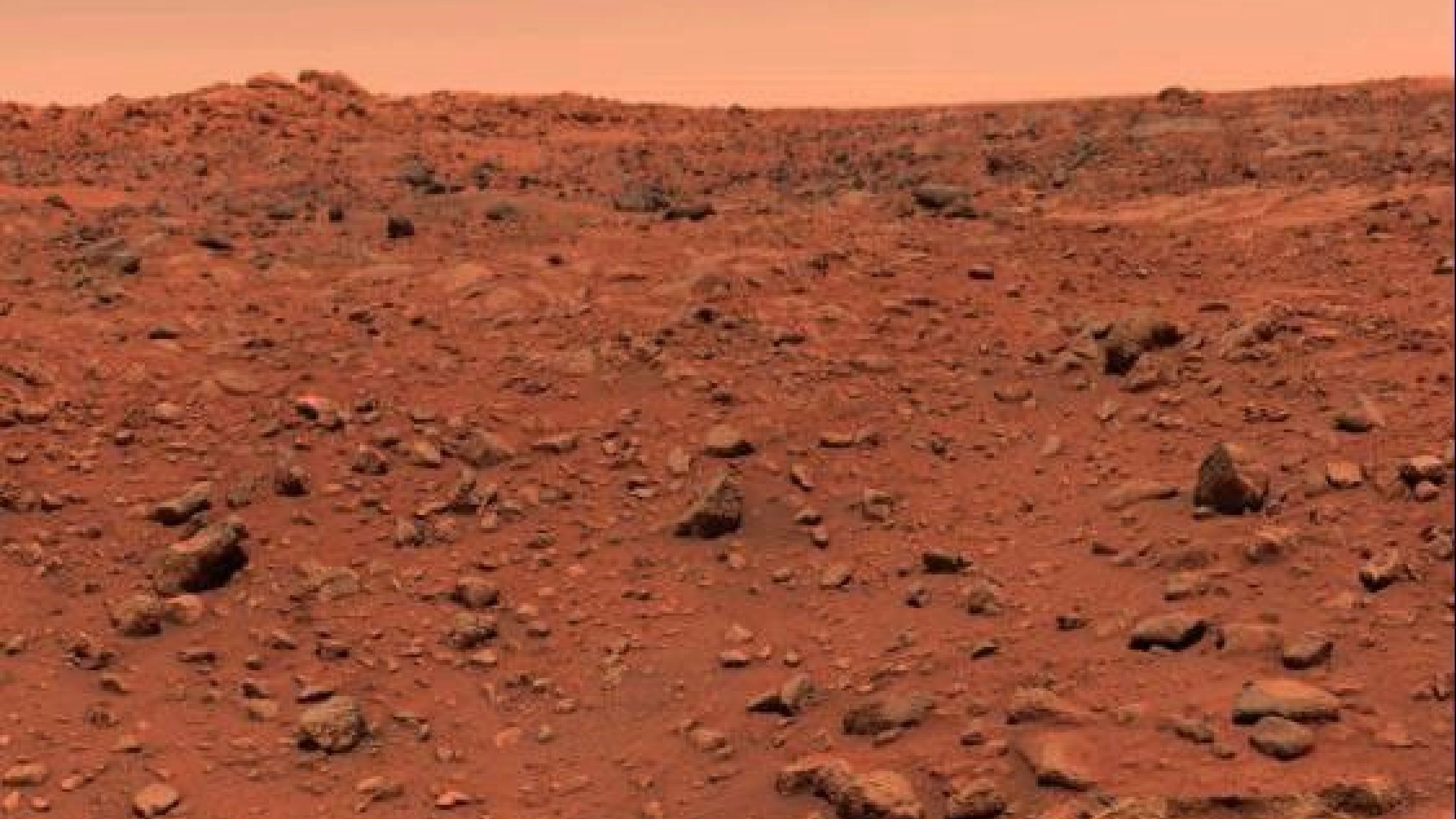
Half a century after NASA’s Viking landers touched down, a core question from the first successful U.S. mission to the Martian surface still divides scientists: did Viking 1 register signs of life, or were its results the product of unusual Martian chemistry? An anniversary lookback has revived the discussion, highlighting how interpretations of the same data can diverge even decades later.
Proponents of a biological explanation point to re-analyses of Viking 1’s life-detection experiments, arguing the signals are most consistent with living, carbon-fixing microbes in the soil. Some researchers now contend the lander more likely than not encountered autotrophic microorganisms, estimating on the order of a thousand cells per gram of material at the landing site.
Skeptics counter that the readings can be explained by reactive compounds in Martian soil that mimic biological activity, without requiring life. They note that the mission’s broader suite of experiments offered mixed and ambiguous outcomes, and that caution is warranted when interpreting sparse, one-of-a-kind measurements from a harsh, poorly understood environment.
The debate persists because both hypotheses fit portions of the data and because subsequent missions have complicated, rather than closed, the picture of Mars’ near-surface chemistry. As the Viking milestones are commemorated—and as laboratory techniques and new Mars investigations refine what scientists know about the planet’s soils and potential biosignatures—the Viking 1 results remain a touchstone, shaping how future tests and samples will be designed to resolve the life-on-Mars question.