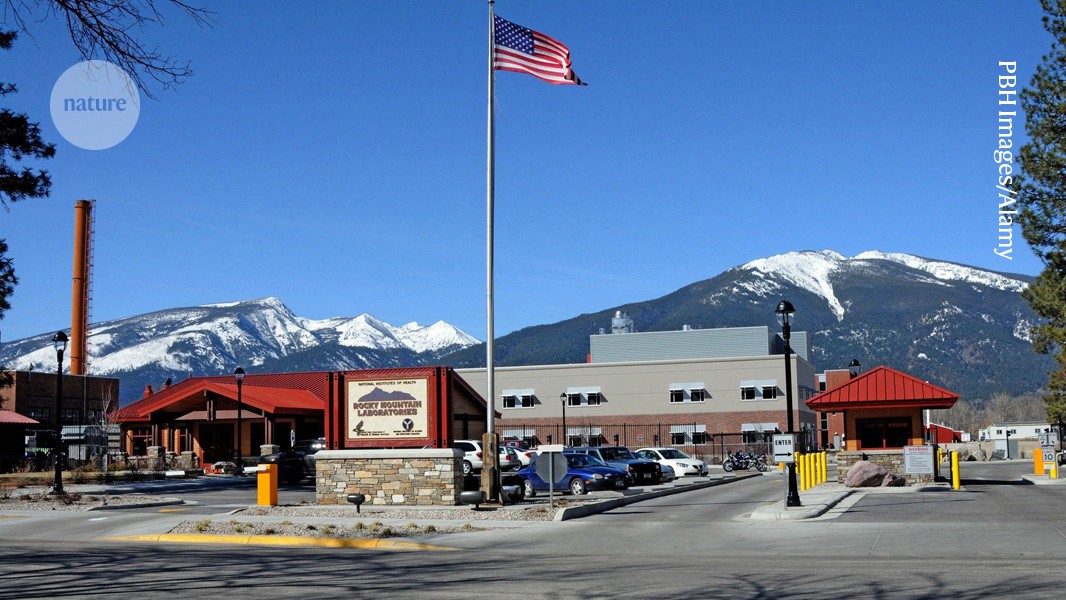
Charges involving two scientists at Rocky Mountain Laboratories in Hamilton, Montana, have set off a political storm in the United States. The case centers on biological material the researchers allegedly brought into the country from abroad, raising questions about how such samples were transported and whether proper import procedures were followed.
The controversy has intensified because the scientists work in a high-profile virology setting linked to the National Institutes of Health. That has drawn attention not only from the research community, but also from political figures and commentators who see the case as part of a broader debate over oversight, biosafety and public trust in government science.
At the same time, some researchers have argued that the material described in the case was non-infectious viral matter and did not present a public-health threat. Even so, they note that low-risk scientific samples can still fall under customs and import regulations, meaning a lack of danger does not necessarily rule out possible violations.
The result is a dispute playing out on two levels: a legal question about how biological material entered the country, and a political fight over what the charges say about federal research institutions. With only limited details publicly available, the case is likely to keep fueling debate about laboratory accountability and the rules governing international sample transport.