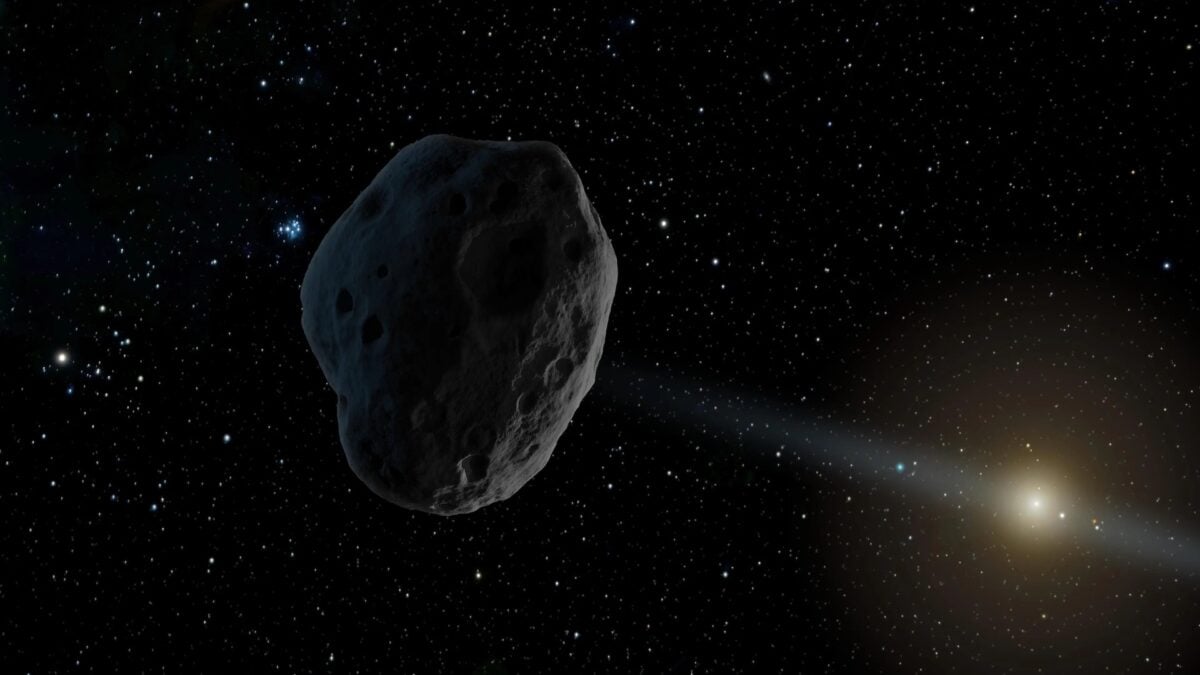
Astronomers have learned that 1998 SH2, long cataloged as a near-Earth asteroid, was misidentified for nearly three decades. The reassessment came after researchers pointed NASA’s radar system toward the expected location of the object on August 28, 2025, only to find that it was not there.
That unexpected absence appears to have triggered a closer review of the object’s history and classification. According to the report, scientists had treated 1998 SH2 as an asteroid for 28 years, but newer analysis showed that label was wrong. The finding means a well-known entry in near-Earth object records was not the kind of space body astronomers originally believed it to be.
The case highlights how planetary scientists refine object catalogs as better tracking methods and follow-up observations become available. Radar is often used to confirm an object’s position and improve orbital data, so a failed detection can raise important questions about earlier assumptions and recorded measurements.
While the report does not change the broader effort to monitor near-Earth space, it does show how classifications can shift when new evidence emerges. For researchers, 1998 SH2 is now an example of how even long-accepted identifications may need to be revisited when observations no longer match expectations.