Researchers have unveiled a cobalt-aluminum nanolaminate that could mark a major step forward in advanced materials. According to the report, the material can be up to 10 times stronger than structural steel, while also resisting the dangerous brittleness that often comes with extremely hard metals.
That combination is especially notable because strength and flexibility usually work against each other in alloy design. Materials engineered to be very strong often crack more easily under stress, limiting their usefulness in demanding applications. This new cobalt-aluminum structure appears to challenge that long-standing tradeoff by maintaining toughness even as its strength rises sharply.
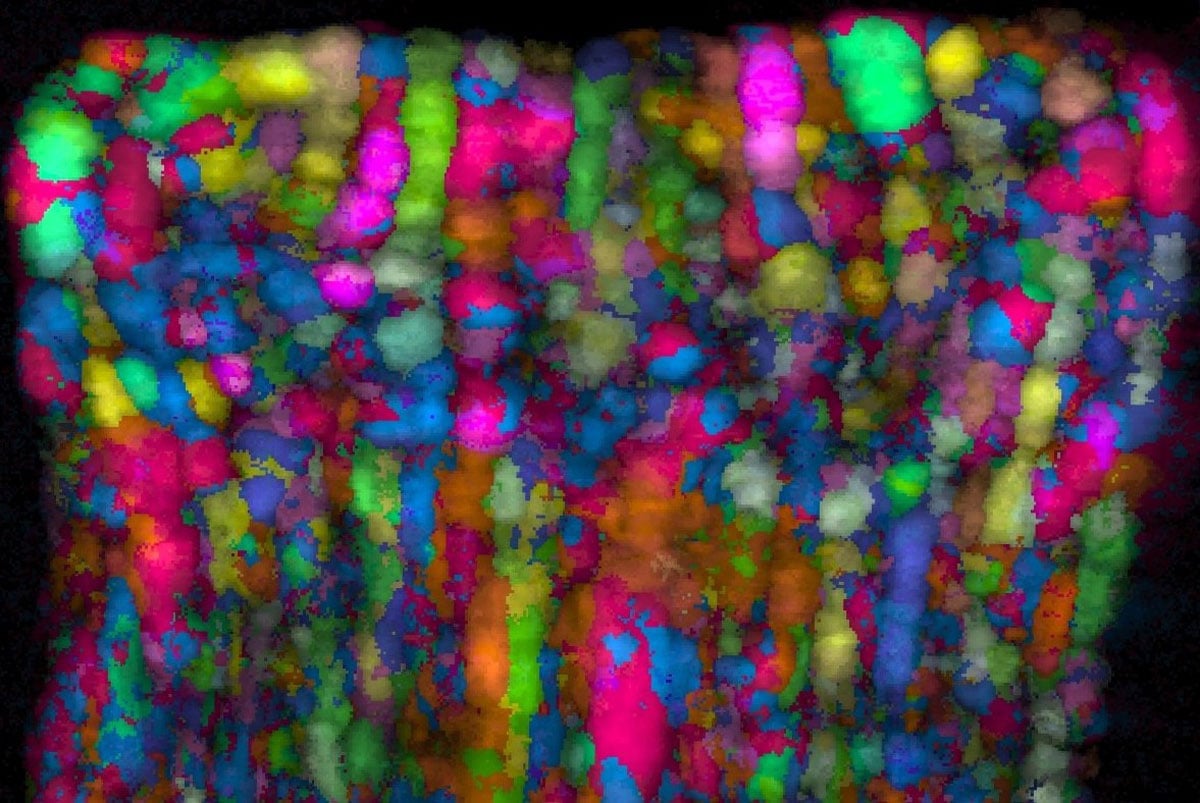
The study also points to microscopic structural behavior that helps explain the performance. Images of the material after deformation highlight crystal orientations in the cobalt-aluminum intermetallic and a network of amorphous interfaces, suggesting that the internal architecture plays a central role in how the alloy absorbs stress without failing.
If those results hold up in further testing, the alloy could attract attention for uses where both strength and durability matter, including high-performance engineering and other structural environments. The findings add to growing interest in nanoscale material design as scientists search for metals that are lighter, tougher, and more reliable under extreme conditions.





