Scientists say they may have found a key reason some marine animals survived the Great Dying, the most severe ocean mass extinction in Earth’s history. According to a new study, the animals that made it through the crisis may have had one important advantage: a faster metabolism.
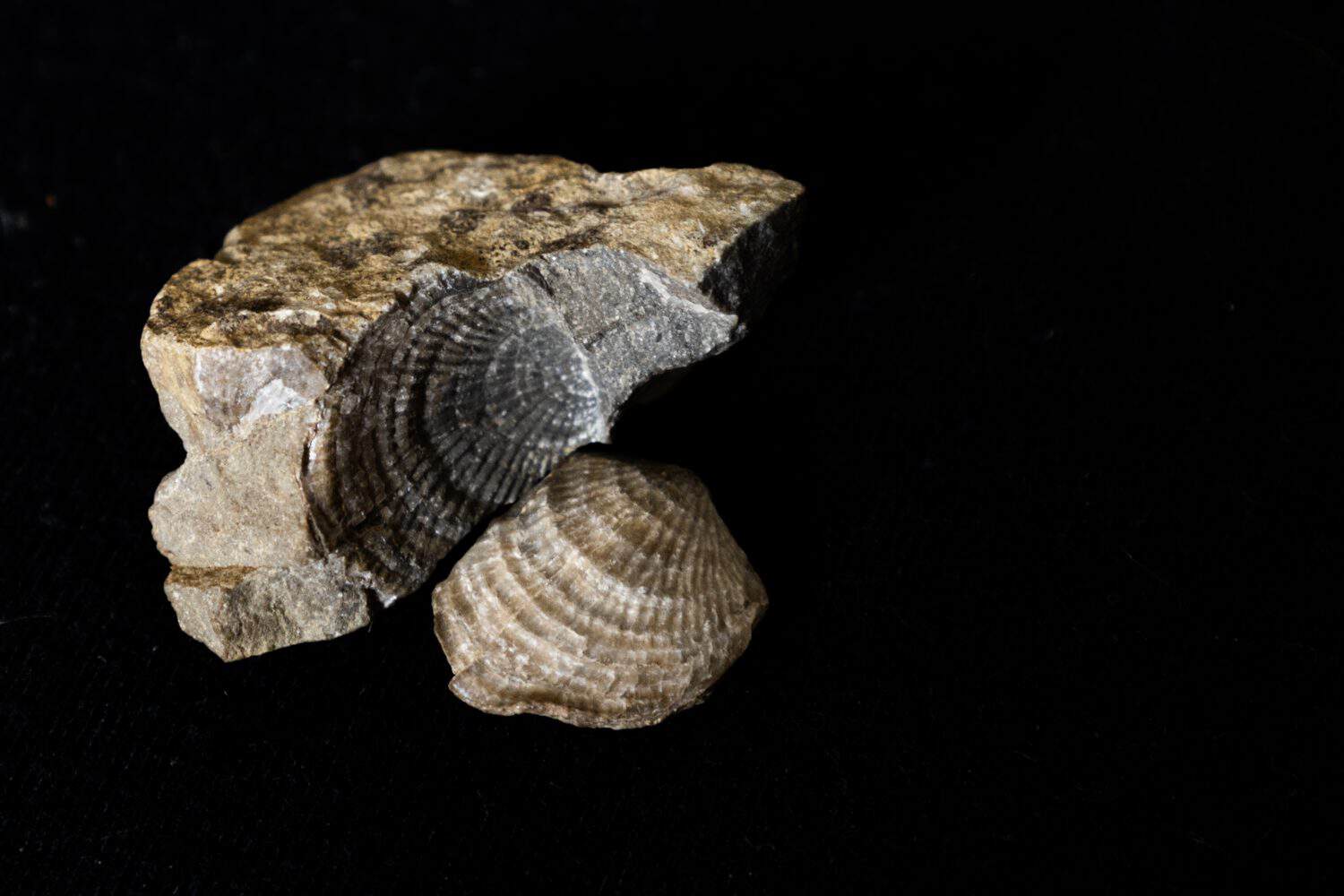
The finding helps explain a long-standing fossil mystery. Brachiopods dominated the seafloor for nearly 300 million years, yet they were hit hard during the extinction event. Meanwhile, groups such as clams and snails managed to outlast them and continue thriving afterward.
What makes the result notable is that it appears counterintuitive. It might seem logical that creatures with slower energy needs would do better during a planetary crisis, but the research points in the opposite direction. The study suggests that being able to process energy more quickly may have helped some animals cope better with extreme changes in ocean conditions.
Beyond explaining an ancient die-off, the research offers a clearer picture of how physiology can shape survival during environmental upheaval. By comparing the winners and losers of the Great Dying, scientists are gaining new insight into why some forms of marine life endure while others vanish.