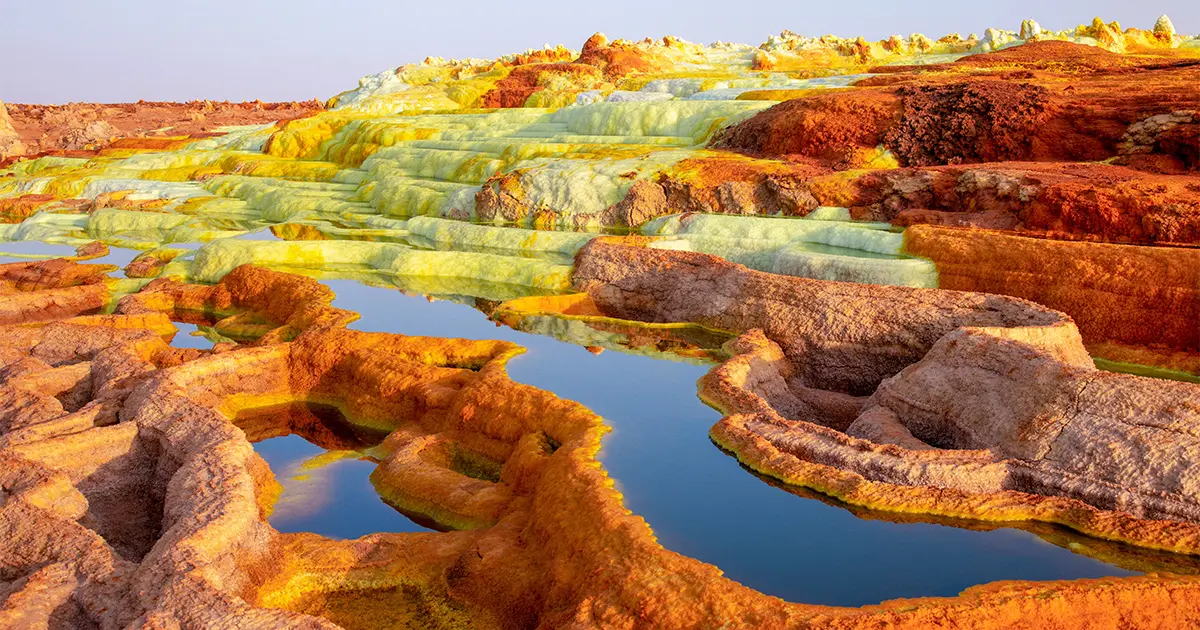
Extremophiles are organisms that live where most forms of life would quickly fail, revealing just how far biology can stretch on Earth. While many species flourish in mild, resource-rich ecosystems, some survive in places marked by intense heat, crushing pressure, deep cold or other severe conditions.
Researchers study these organisms not simply because they are unusual, but because they redefine the known limits of life. By examining how they endure such hostile settings, scientists can better understand the cellular and chemical strategies that make survival possible under extreme stress.
That work has broader scientific value. Extremophiles can help explain how life adapts, evolves and persists when conditions appear almost unlivable. Their existence also sharpens debates about where life might be found beyond familiar environments and what signs of life researchers should look for.
The importance of extremophiles extends beyond theory. Insights from their durability may inform biotechnology, environmental research and other practical fields that benefit from understanding robust biological systems. In that sense, organisms from Earth’s harshest places are not just curiosities—they are key to understanding life’s resilience and its potential uses for us.





