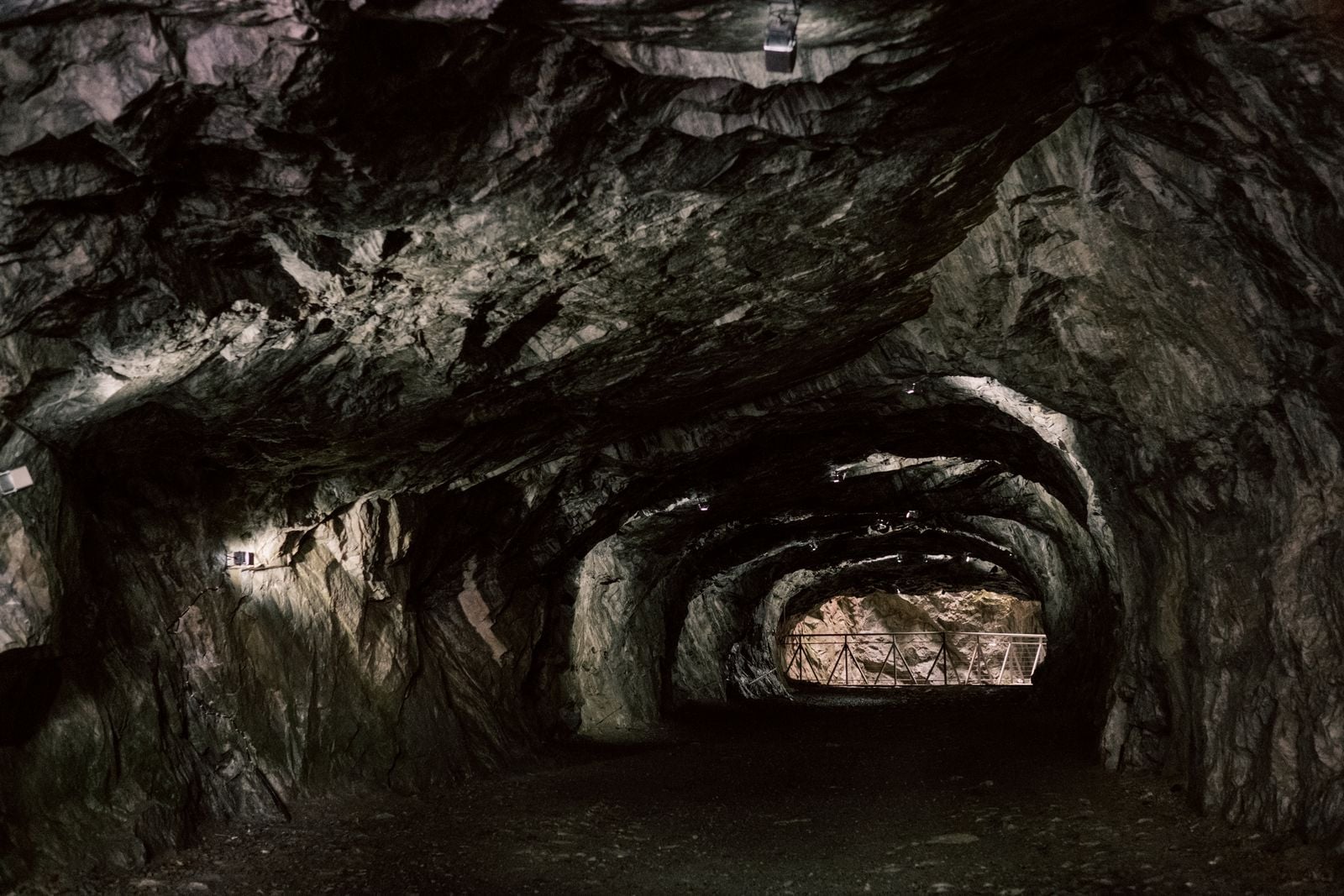
Biologists studying Movile Cave in Romania have identified 48 species living in one of the planet’s most unusual environments. Hidden about 18 metres below the surface near Mangalia, the cave has been cut off from the outside world for roughly 5.5 million years. In that time, life inside appears to have adapted to permanent darkness and air conditions that would be dangerous for humans.
What makes the cave especially remarkable is how its ecosystem functions without sunlight. Instead of depending on photosynthesis, organisms there survive in conditions sustained by hydrogen sulphide and other harsh chemical factors. Researchers say the species found in the cave have never seen daylight, making Movile a rare example of life evolving in total isolation from the surface.
The cave atmosphere is also highly hostile. According to the report, oxygen levels are around half of what is normally found above ground, while toxic fumes fill the enclosed space. Even so, a stable web of life has developed there, showing that organisms can persist in environments far outside the conditions usually associated with survival.
The findings add to scientific interest in extremophile ecosystems and how life can adapt when sunlight is absent. Movile Cave continues to stand out as a powerful case study for evolution in isolation, and for the idea that biology can thrive in chemically driven habitats that seem almost uninhabitable.





