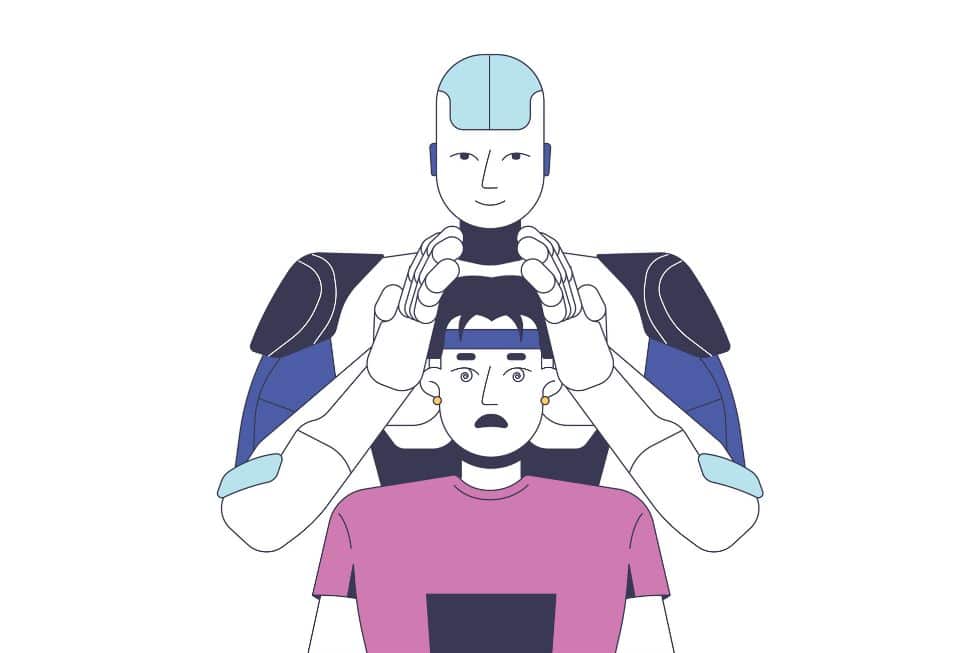
A Big Think article raises a provocative question about the future of discovery: if artificial intelligence eventually becomes capable of major scientific breakthroughs, what role will remain for exceptional human thinkers. Framed around the idea of “the last Einstein,” the piece points to growing interest in whether machine intelligence could transform how new knowledge is created.
At the center of the discussion is the place of human genius in science. For generations, figures like Albert Einstein have represented the power of individual insight to reshape entire fields. The article suggests that if AI systems can identify patterns, test ideas, or generate novel theories at a high level, the traditional image of the lone scientific visionary may begin to change.
That does not necessarily mean human minds become irrelevant. Instead, the question shifts toward what humans would still do best in a world where AI contributes to discovery. The debate includes whether creativity, judgment, intuition, and the ability to ask meaningful questions will remain distinctly human strengths even as machines take on more analytical work.
The broader issue is not only about technology, but about how society defines innovation and intellectual achievement. If AI becomes a partner in major advances, science may move away from the myth of the singular genius and toward a new model in which human ambition and machine capability are deeply connected.