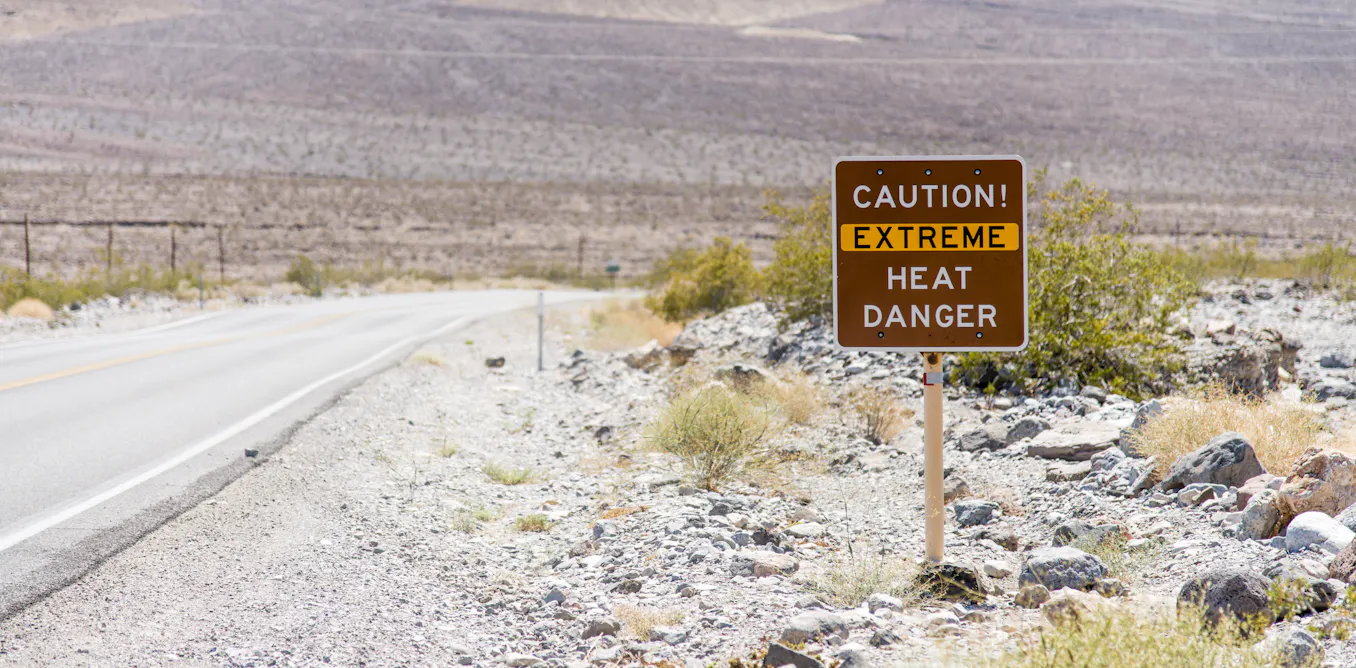
A Conversation explainer answers a simple question with a dramatic example: just how hot can the desert get? The article points to Death Valley, where temperatures once reached 134 degrees Fahrenheit, showing how some desert regions can produce some of the most intense heat on Earth.
The main reason deserts get so hot is their dryness. With very little moisture in the air and often few clouds overhead, sunlight can heat the ground quickly and intensely. Sparse vegetation also means there is less natural cover to block or soften the sun’s energy, allowing the land surface to warm fast.
That same lack of moisture helps explain why deserts can also turn very cold. Water vapor and clouds can act like a blanket, helping hold heat near the surface. In deserts, that blanket is often missing, so heat escapes quickly after sunset and temperatures can drop sharply.
The result is a place known for extremes rather than just nonstop heat. While deserts are famous for blazing daytime temperatures, they are also shaped by large swings between day and night, which is why they can feel scorching under the sun and much colder once darkness arrives.